26f7.jpg?format=1500w)
Why Whole Real Dairy Milk Is Back in the Fridge for Good
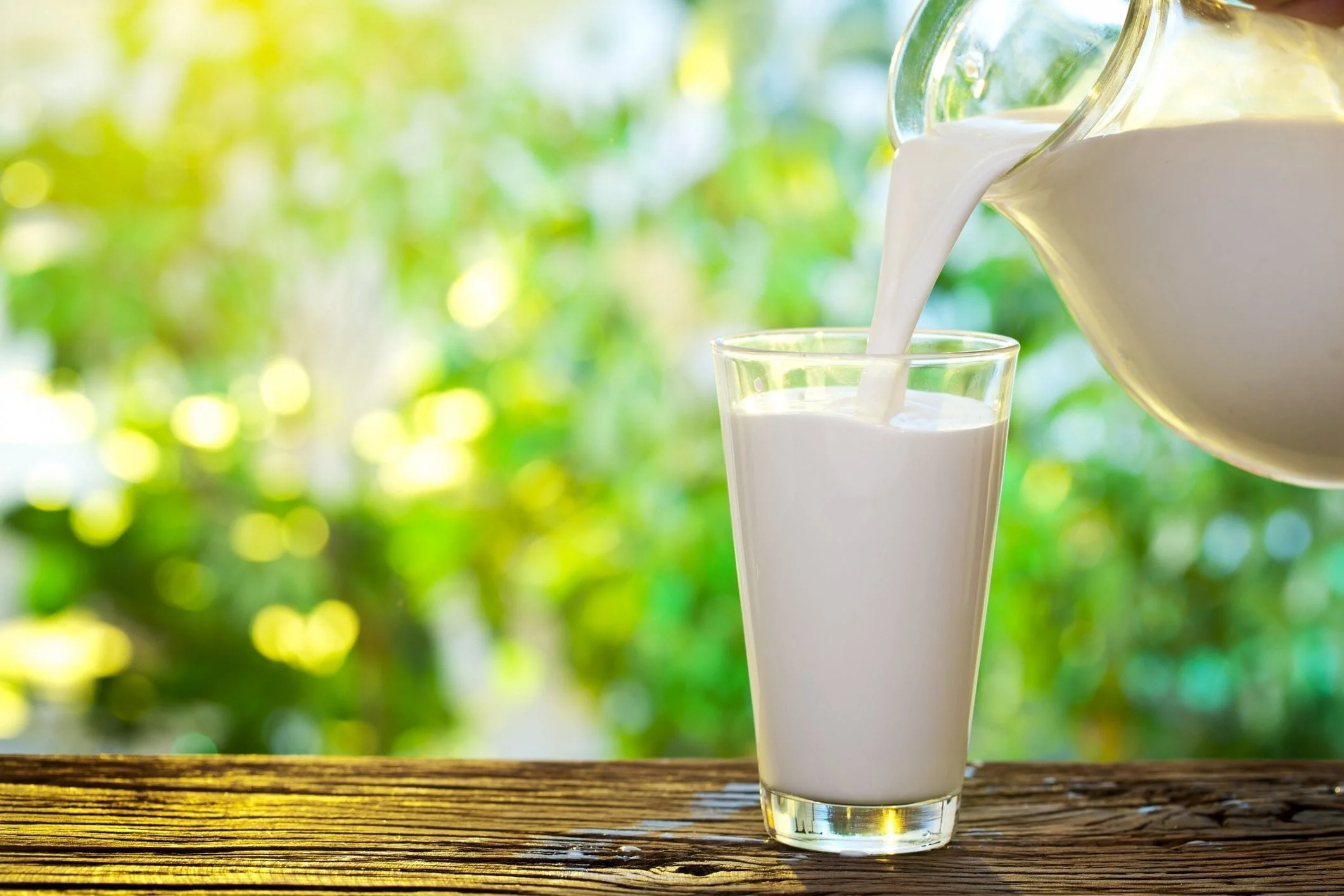
Whole real dairy milk with its natural milkfat intact has a creamy, rich taste that many people enjoy.
Like all real dairy milk options, whole milk provides high-quality protein along with key nutrients such as calcium.
Choosing whole milk often comes down to taste, cooking needs, and personal preference—not a one-size-fits-all rule.
If you’ve noticed more people reaching for whole milk lately, you’re not imagining it. Once considered old-fashioned, whole milk is having a moment—showing up in coffee orders, family meals, and comfort-food recipes.
So what’s behind the renewed interest? Let’s take a closer look.
What Is Whole Real Dairy Milk?
Whole milk is real dairy milk with its natural milkfat intact—about 3.25% milkfat. Like other dairy milk options, it contains high-quality protein and key nutrients such as calcium and vitamins that support everyday nutrition.
The main difference people notice? The difference is all in the texture and taste. Whole milk is creamier and richer, which is often why people prefer it in certain foods and drinks.
Why Do Some People Choose Whole Real Dairy Milk?
People choose whole milk for a variety of reasons, and most of them come down to personal preference.
For many, it’s about flavor and mouthfeel. Whole milk’s natural creaminess can make coffee smoother, cereal more satisfying, and recipes feel more indulgent.
Others like how whole milk fits into meals and snacks. Because it contains milkfat along with protein, some people feel it helps them feel more satisfied when paired with foods like fruit, toast, or baked goods.
Does Whole Milk Still Provide Milk’s High-Quality Protein?
Yes. All real dairy milk, whether whole, reduced-fat, low-fat, or skim, contains high-quality protein.
That protein helps support muscles and everyday bodily functions and is one of the reasons milk is a staple in many households. Choosing whole milk doesn’t mean choosing more or less protein than other dairy milk options—it’s simply a different balance of milkfat and flavor.
How Is Whole Milk Used in Cooking and Baking?
Whole milk is a go-to for many home cooks because of how it performs in recipes. Its milkfat can add richness to:
Soups and sauces
Baked goods
Comfort foods and seasonal favorites
It’s also popular in homemade drinks like lattes, hot chocolate, and smoothies, where texture matters as much as taste.
Is Whole Real Dairy Milk Right for Everyone?
Like most foods, whole milk isn’t about right or wrong—it’s about what works for you.
Some people prefer whole milk for taste or cooking, while others choose different dairy milk options based on dietary needs, habits, or preferences. The good news is that dairy offers a range of choices, all providing high-quality protein and important nutrients.
What’s the Takeaway on Whole Milk?
Whole milk isn’t new. People are rediscovering their love of real milk’s flavor, versatility, and role in everyday eating, including whole milk options. Whether you use whole milk daily or just for certain recipes, it’s one of many ways dairy can fit into your routine.
But what is the best choice of real dairy milk? Easy, it’s the one that works best for your lifestyle, your kitchen, and your taste buds.
Frequently Asked Questions About Whole Milk
Is whole milk more nutritious than other dairy milk options?
All real dairy milk options, like whole, 2%, 1%, and skim, provide high-quality protein and important nutrients. The main difference between them is the amount of milkfat, which affects flavor and texture more than overall nutrition.
Does whole milk contain protein?
Yes. Whole milk contains the same 8 grams of high-quality protein per 8-ounce serving found in other dairy milk options. Protein is one of the many reasons milk is a staple in many meals and snacks.
Why do some people prefer whole milk?
Many people enjoy whole milk for its creamier taste and how it performs in coffee, cooking, and baking. Others choose it because it feels more satisfying when paired with foods like cereal, fruit, or baked goods.
Can whole milk fit into a balanced diet?
Whole milk can be part of a balanced eating pattern, just like other real dairy milk options. Individual needs, preferences, and lifestyles all play a role in choosing which type of milk works best.
Is whole milk better for kids or families?
Some families choose whole milk for its flavor and versatility at meals and snacks. As with any food, the best choice depends on age, preferences, and overall eating habits.
Related Posts