26f7.jpg?format=1500w)

Fermented Milk and Probiotic Dairy Products
Key Points:
Fermented milk and probiotic dairy products like kefir, Greek yogurt, and cottage cheese deliver probiotics, immune support, and improved digestion—functional foods that go beyond basic nutrition.
Fermented milk products rank among today’s top “superfood” trends and fit simply into your daily eating routine.
Discover easy ways to get the health benefits of fermented dairy with minimal effort.
Top 5 Fermented Foods for a Healthy Gut
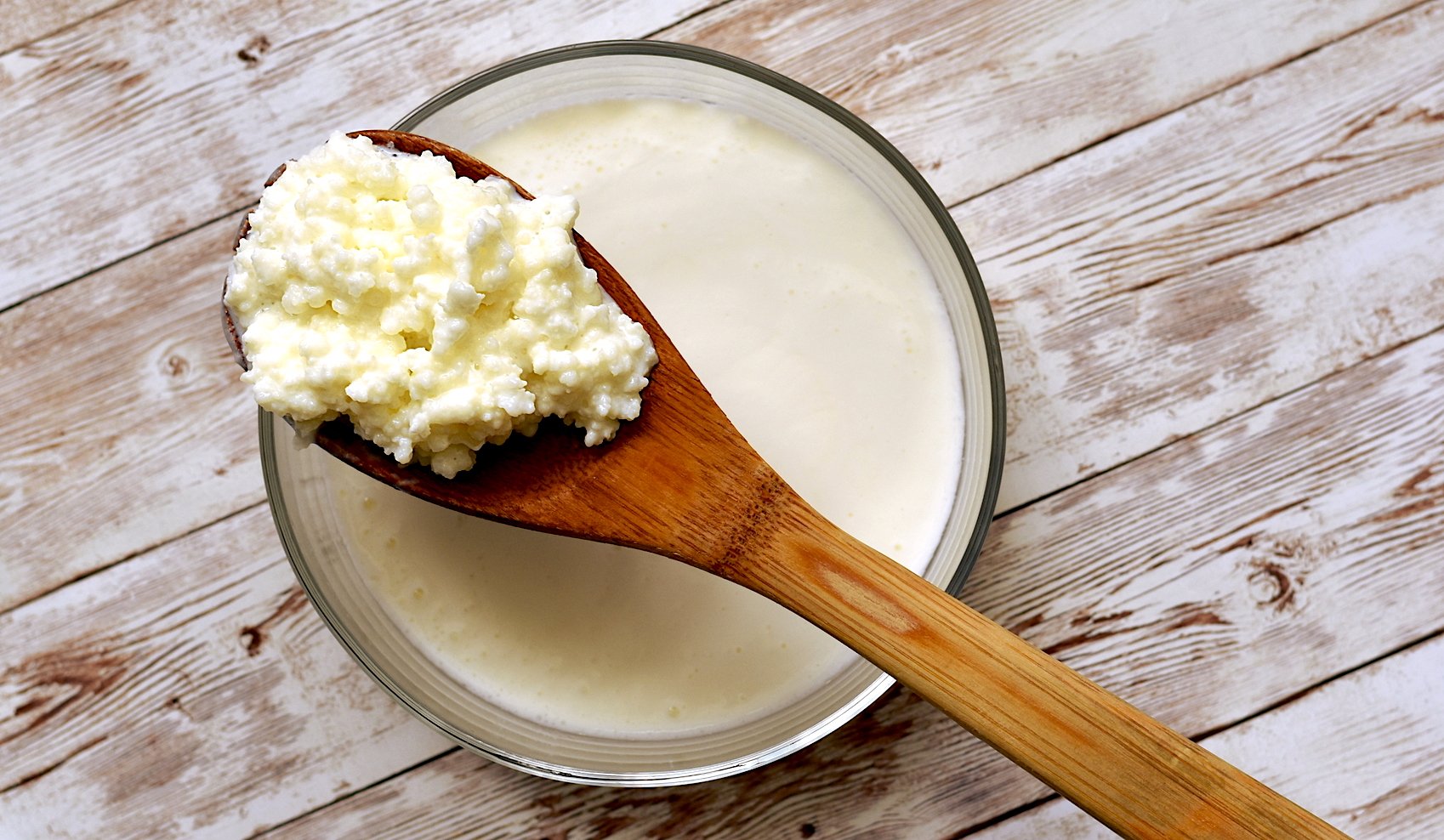
1. Kefir (fermented milk drink)
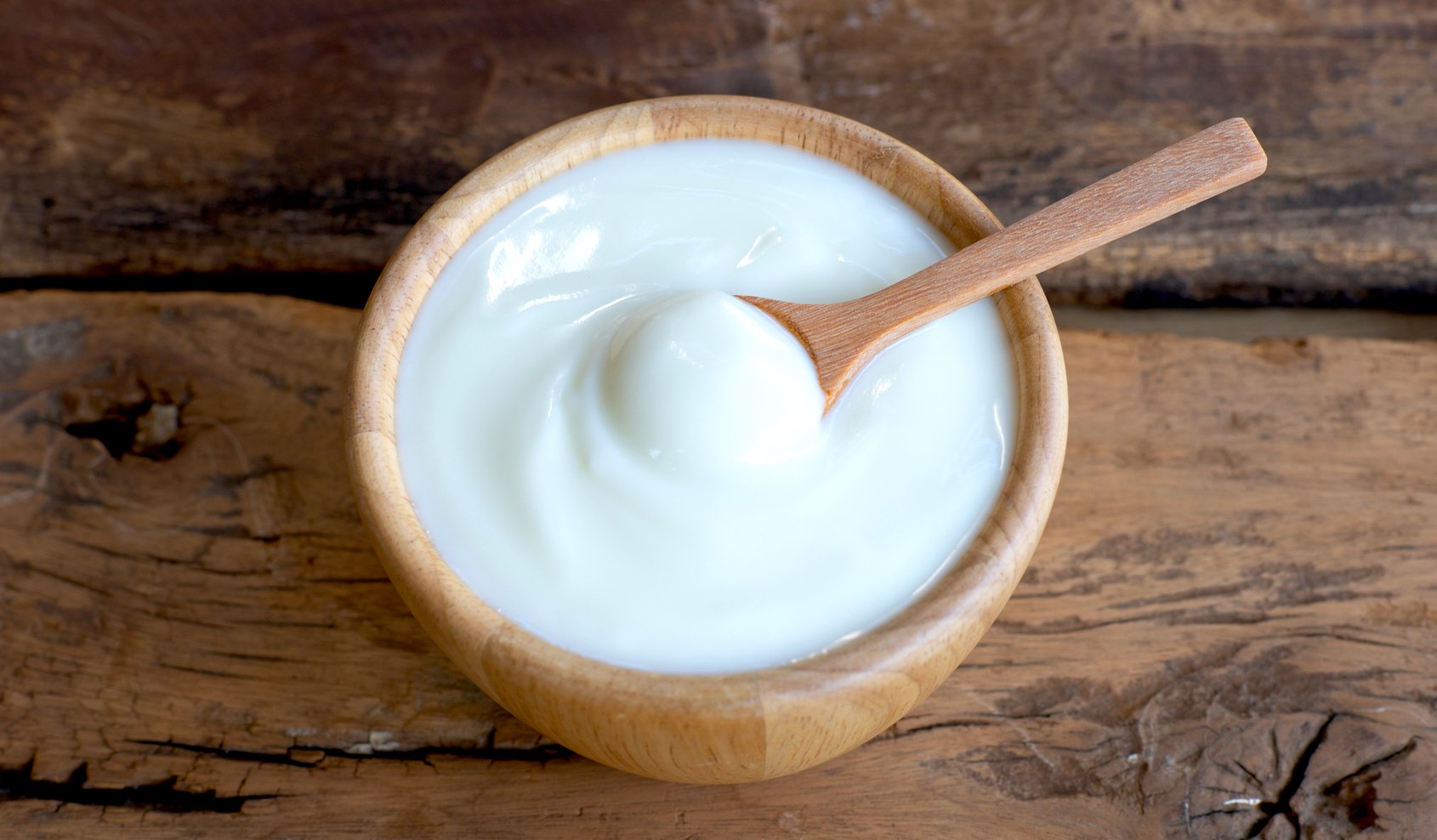
2. Greek Yogurt (thick yogurt with probiotics)
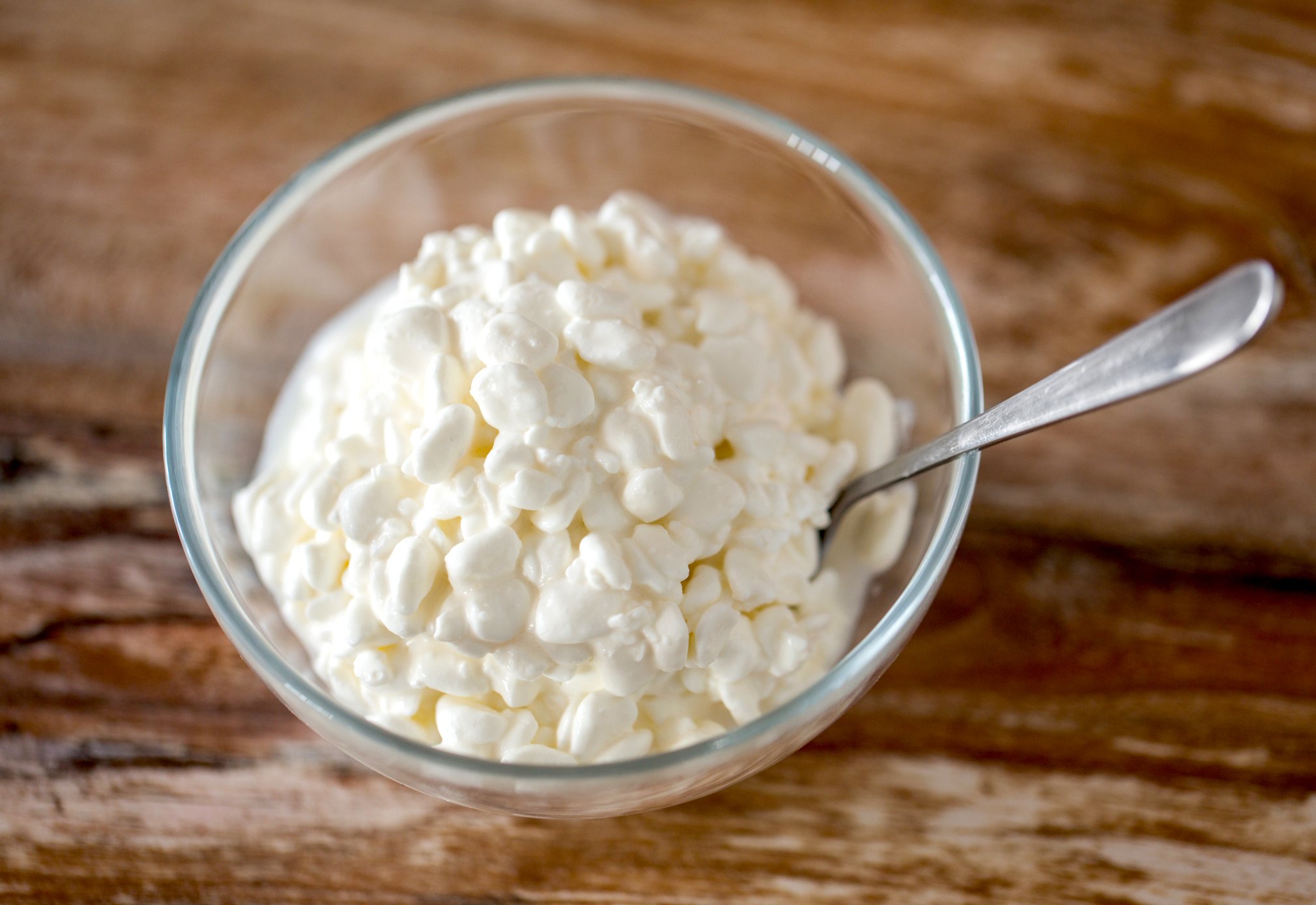
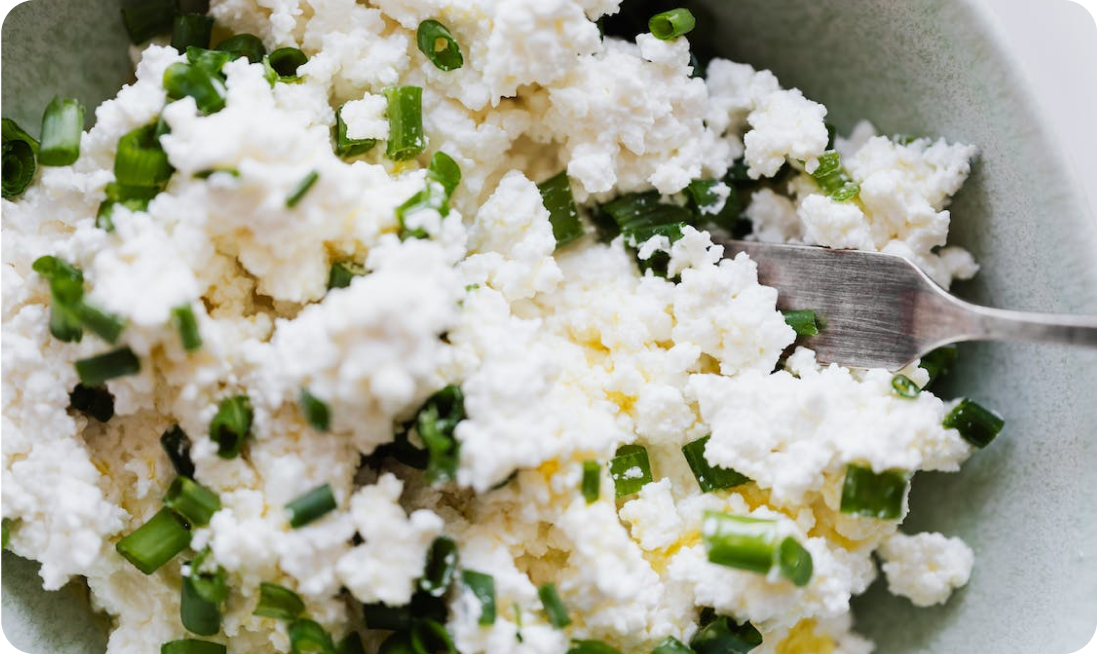
3. Cottage Cheese (fermented milk curds and whey)

4. Kimchi (seasoned, fermented vegetables)
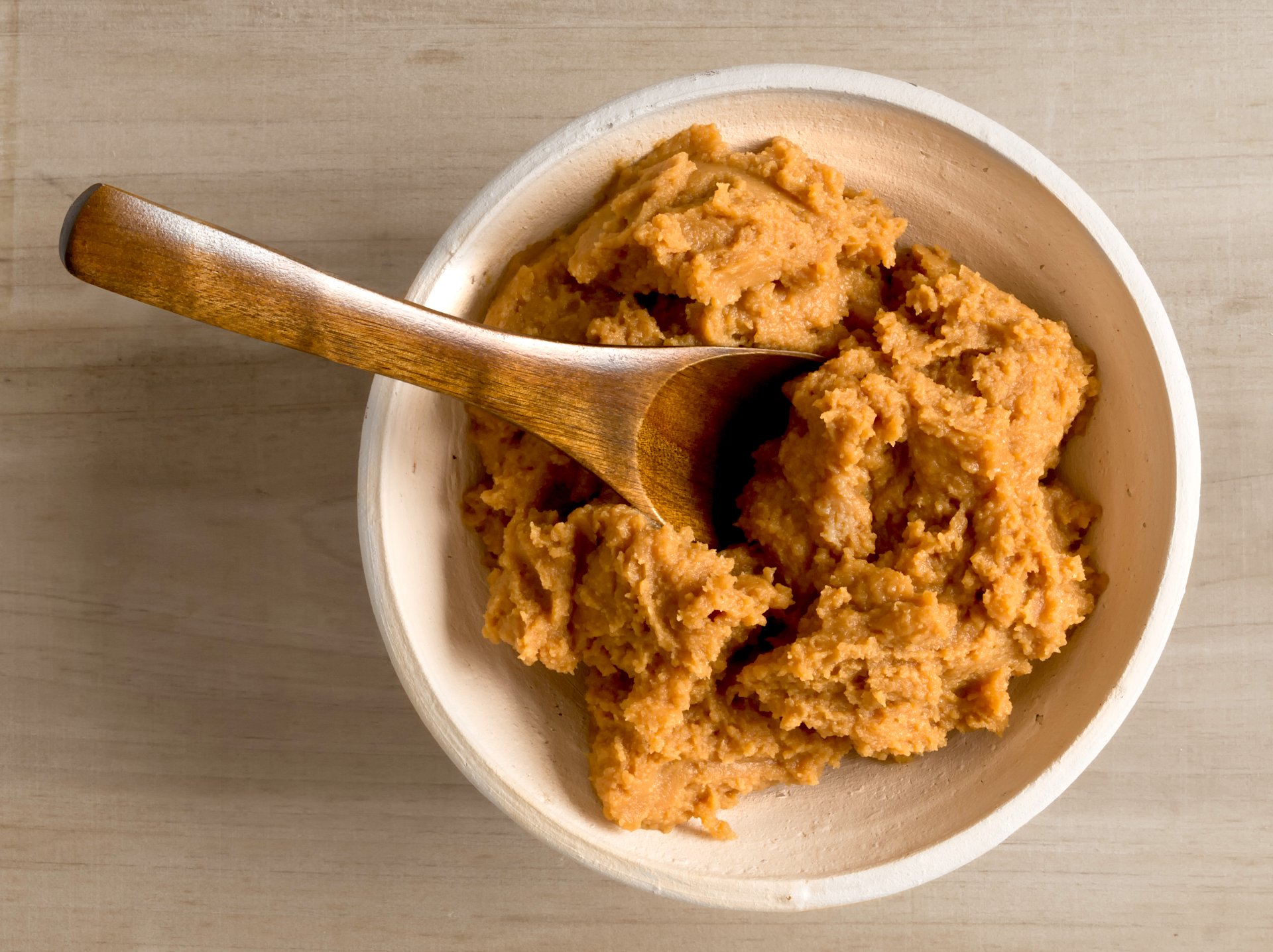
5. Miso (fermented paste)
Is Fermented Milk and Dairy Probiotic Foods?
Yes, fermented milk and dairy products are a great source of probiotics. The human digestive tract has trillions of bacterial cells that make up what is called the gut microbiome. Consuming fermented foods with live cultures, like yogurt, can add “good” bacteria to your microbiome. But not all fermented foods contain probiotics. According to the World Health Organization, probiotics are live microorganisms that confer a health benefit on the host when administered in adequate amounts. A fermented food must have enough living microbes and a proven health benefit to be considered a probiotic. Fermented milk products such as kefir and Greek yogurt contain high amounts of probiotics.

What are Fermented Foods?
Between fad diets, workout routines, and an every growing list of supplements, Americans are looking for the best way to take control of their health.
In addition to practicing well studied health habits, such as getting adequate sleep and exercise, and managing stress, nutrient rich food plays a role in keeping us healthy. In 2019, according to dietitians surveyed regarding “What s trending in Nutrition,” fermented foods, including yogurt and kefir, were voted the number one superfood trend. But fermented foods are not new; they have been around for centuries and can be used to help boost your health today.
If you eat yogurt, kefir, sourdough bread, or kombucha, you are already including fermented foods in your diet!
Fermentation is the breakdown of carbohydrates, like starch and sugar, by bacteria and yeast. The process was first used for preserving foods, but became less popular as refrigeration and pasteurization emerged. Today, we look to fermentation for its ability to promote the growth of beneficial bacteria, known as probiotics.
There are many benefits to consuming fermented foods, such as fermented milk. They can be a source of live and active “good” bacteria, improve taste, texture, and digestibility, increase vitamins, and increase shelf life. Fermentation can also change the taste and texture of the food. For instance, fermentation makes yogurt and kefir (fermented milk) thicker and tangier than milk.
What are the Benefits of Fermented Milk and Probiotic Dairy Products?
Fermented foods are also functional foods, meaning they have potential benefits beyond basic nutrition. Research has shown that fermented foods may reduce heart disease risk and aid digestion, immunity, and weight loss. There is a body of research that links fermented dairy foods, like yogurt and cheese, along with non-fermented dairy products, to reduced risk for Type 2 diabetes, which is estimated to affect 552 million people worldwide by 2030.
This year, in particular, with cold and flu season upon us, we are looking for ways to better support our immune system. The healthy bacteria found in fermented foods may be a way to do just that.
Fermented dairy foods are a perfect example of functional foods in action. In addition to the immune-enhancing vitamin D provided by dairy foods, studies show an association between yogurt consumption and an improved gut immune response. Yogurt aids in the digestion of lactose, making it a good choice for those with lactose intolerance.
Fermented dairy contains compounds being investigated for anti-inflammatory, antioxidant, and anti-hypertensive properties, which are important for preventing certain chronic diseases. Some studies show that the breakdown of dairy proteins through fermentation may create substances that improve blood pressure control. Dairy remains an important component of the DASH eating pattern, and up to three servings of low-fat dairy daily are recommended to help improve blood pressure control. While more studies are needed to fully realize the impact of fermented foods on our health, a daily dose of fermented foods can do a body good.
FAQs About Fermented Milk
Q: What are functional foods, and how do fermented dairy products fit into this category?
A: Functional foods are foods that provide health benefits beyond basic nutrition, and fermented milk and probiotic dairy products like kefir, Greek yogurt, and cottage cheese are considered functional because they deliver probiotics, immune support, and improved digestion in addition to essential nutrients.
Q: Do all fermented foods contain probiotics?
A: No, not all fermented foods are probiotic. To count as a probiotic food, the fermented product must contain enough live microorganisms and have proven health benefits, which is true for fermented dairy foods like kefir and many yogurts with live and active cultures.
Q: What health benefits are linked to fermented milk and probiotic dairy products?
A: Fermented dairy foods are associated with better digestion, stronger immune support, and possible benefits for heart health, weight management, and reduced risk of Type 2 diabetes.
Q: Can fermented dairy help with lactose intolerance and gut health?
A: Yes, yogurt and other fermented dairy products can aid lactose digestion and are linked to an improved gut immune response, making them a good option for many people with lactose intolerance.

How Do I Add More Fermented Dairy Products to My Diet?
There are plenty of ways to incorporate fermented dairy products into your daily routine! Research shows that most Americans eat a breakfast low in protein, while dinner tends to be protein-heavy. Instead, aim for protein at every meal. Milk at meals is a nutritious choice, providing 13 essential nutrients and 8 grams of high-quality protein, and adding fermented dairy takes it up another notch.
➪ Eat yogurt that contains live, active cultures daily.
➪ Add yogurt or kefir to smoothies, granola, and oatmeal.
➪ Make dips, sauces, and marinades out of cottage cheese with live, active cultures.
Read More on Fermented Milk and Probiotic Dairy Products




Fermented Dairy Recipe Suggestions
Images and Texts are Clickable
.jpg)




.jpg)