26f7.jpg?format=1500w)

Dairy Farming and its Role in the U.S. Economy
Key Takeaways on Dairy Farming:
Dive behind the barn: see how happy, healthy cows + modern milking technology = high-quality milk you trust.
The farm is greener than you think. Learn how dairies today are shrinking their environmental impact while keeping sustainability front and center.
Most U.S. dairy farms are family-run — it’s more than a business; it’s a lifestyle with deep roots in community and craftsmanship.
What’s in your gallon of milk? Not just protein and calcium, but a whole story: animal welfare, safety standards, and economic ripples you probably didn’t know about.
Visit Our Dairy Farms
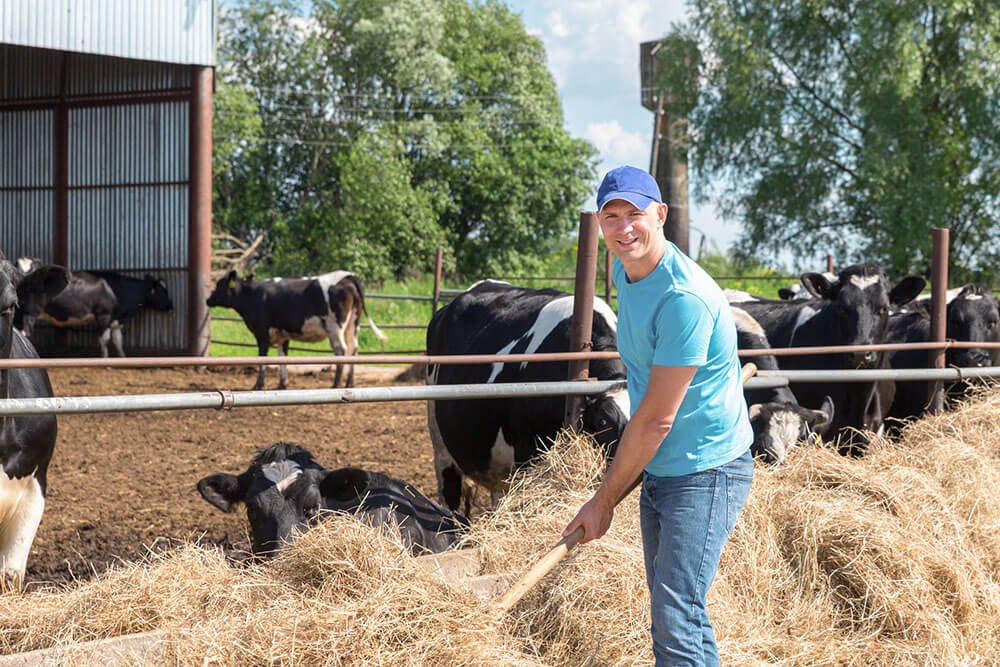
Dairy farmers in the United States know that healthy, happy dairy cows produce milk at a higher quality and more frequently. Learn about dairy farming and our milking parlors, which are the first step in our process for safe and clean dairy production. Get information here about dairy farm tours in your state. You can also do virtual tours right in your classroom with your students or at home with your family. Be right in the middle of all the action.

Meet Our Dairy Cows
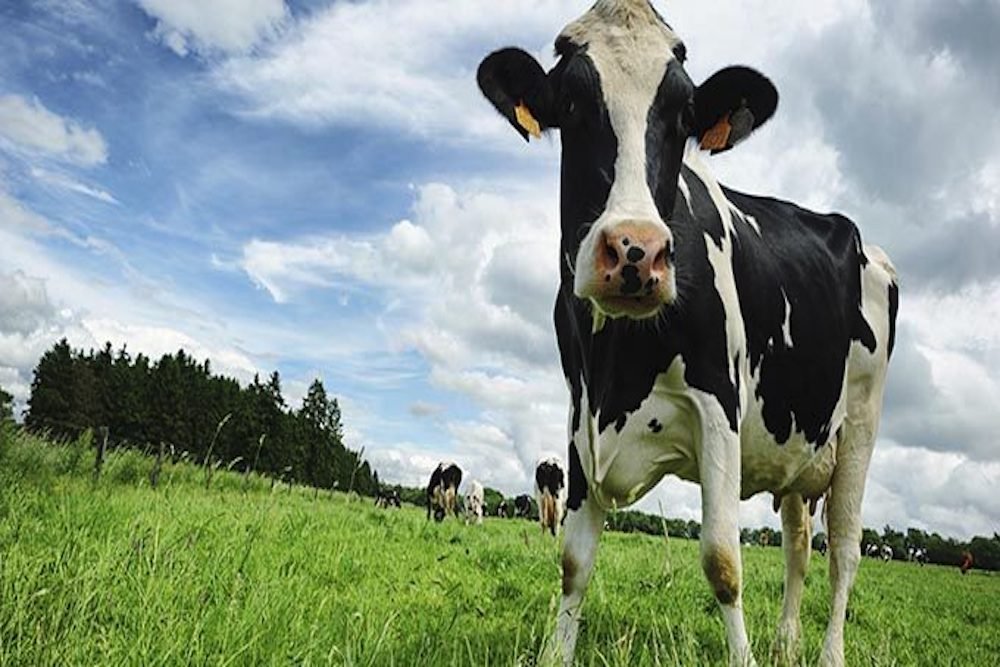
Dairy farmers know that healthy, happy cows produce more high-quality milk, so the animals’ well-being is a farmer’s top priority. Modern milk farming focuses on animal welfare and sustainable agriculture. Proper dairy cattle nutrition and ethical treatment of our animals create a safe and happy life for them. Learn about the different breeds of dairy cows, as well as interesting and fun dairy cow facts. These beautiful creatures give so much to us, so we want to show them how much we care.
Sustainability and Dairy Production
Dairy farmers care about the planet and the environmental footprint of dairy production has on the environment. Get information here about dairy farm tours in your state to learn about sustainable milk production. You can also do virtual tours right in your classroom with your students or at home with your family. Be right in the middle of all the action.
Meet our Dairy Farmers
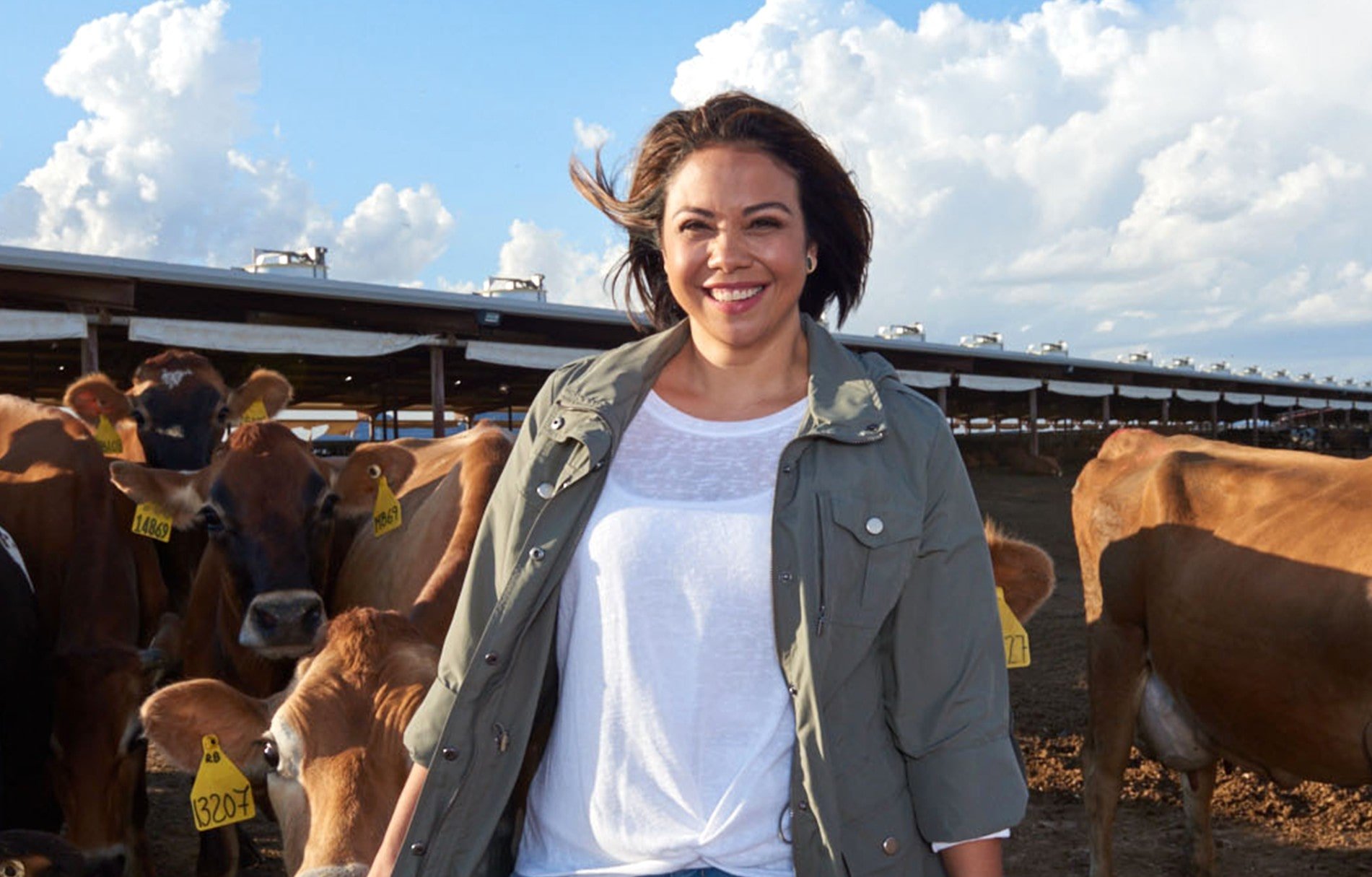
Dairy farmers know that healthy, happy cows produce more high-quality milk, so the animals’ well-being is a farmer’s top priority. Proper dairy cattle nutrition and ethical treatment of our animals create a safe and happy life for them. Learn about the different breeds of dairy cows, as well as interesting and fun dairy cow facts. These beautiful creatures give so much to us, so we want to show them how much we care.

The agricultural practice of raising and breeding cattle primarily for milk and other dairy products is pivotal in ensuring a consistent supply of nutritious dairy goods to consumers.
Milk farming is immensely significant in U.S. agriculture. It not only provides a livelihood for farmers but also bolsters the economy by creating jobs and aiding rural communities. Furthermore, milk farming caters to the increasing demand for dairy products, which are packed with essential nutrients like calcium, protein, and vitamins. Milk farming encompasses a variety of systems, each with its distinctive features. The most prevalent ones include:
Conventional: Here, cows are mainly kept indoors and fed a balanced diet of grains, forages, and nutritional supplements.
Organic: This system strictly ensures cows are raised without antibiotics, synthetic hormones, or genetically modified organisms (GMOs). Cows are fed organic feed and have grazing access.
Grass-Fed: In this system, cows primarily graze on pastures and may be supplemented with hay or silage when fresh pasture is unavailable.
These varied systems allow dairy farmers to choose the method that best suits their objectives, principles, and resources.
Dairy Farming Practices
Practices cover a variety of activities that contribute to the efficient and sustainable management of dairy cattle. Modern milking systems, such as milking parlors and automated milking machines, are crucial for dairy farms. They ensure efficient and hygienic milk extraction, minimize stress on cows, and maximize milk production. Proper milking procedures help maintain udder health and prevent diseases like mastitis.
Herd management and breeding techniques are vital for a healthy and productive dairy herd. Effective herd management includes regular health checks, vaccinations, and disease prevention. Breeding techniques like artificial insemination and selective breeding enhance the herd's genetic traits, leading to higher milk yields, improved fertility, and disease resistance.
Dairy cattle need a balanced diet to meet their nutritional needs and optimize milk production. A mix of forages, such as hay and silage, along with concentrated feeds, ensures a well-rounded diet. Proper nutrition supports milk production and promotes the overall health of the cows.
Environmental Impact and Milk Farming
Dairy farms, committed to sustainability, incorporate various practices to curtail environmental impact. Sustainable practices are crucial in preserving the ecosystem and ensuring the industry's long-term viability.
Effluent management and waste disposal are key areas of focus for dairy farmers. Effective systems help responsibly manage and treat cow manure and other waste, preventing water pollution and nutrient runoff, which can harm aquatic ecosystems. Many dairy farms use anaerobic digesters to turn manure into biogas, a renewable energy source.
Besides waste management, dairy farms also aim to reduce greenhouse gas emissions.
Cows produce methane, a potent greenhouse gas, during digestion. Dairy farmers constantly develop strategies to mitigate these emissions, such as improving feed quality and efficiency, implementing methane capture systems, and adopting innovative technologies.
The dairy industry prioritizes sustainable practices, effluent management, and greenhouse gas reduction, actively working towards minimizing its environmental footprint and contributing to a more sustainable future.
Animal Welfare in Milk Farming
Providing a stress-free and comfortable environment for dairy cows is paramount. Farmers understand that this directly affects milk production and overall farm productivity.
Best practices for housing and comfort play a critical role in ensuring the welfare of dairy cows. Cows are typically housed in barns that offer ample space, proper ventilation, and protection from extreme weather conditions. Comfortable resting areas are created using bedding materials like straw, sand, or mattresses. Regular cleaning and maintenance of barns ensure a hygienic environment.
Minimizing stress during milking and handling is vital for the well-being of dairy cows. Farmers use various techniques to reduce stress levels during milking, such as maintaining a calm milking parlor, using gentle handling methods, and ensuring proper milking equipment hygiene. Regular training on proper animal handling techniques further promotes animal welfare.
Economic Considerations in Milk Farming
The initial investment for purchasing land, livestock, equipment, and infrastructure can be substantial. Therefore, creating a comprehensive business plan that includes these costs along with revenue and expense projections is essential.
Market trends and challenges in the dairy industry should also be considered. Milk farming is influenced by various factors, such as milk prices, consumer demand, and government regulations. Being informed about these trends can help dairy farmers make informed decisions and adapt their strategies accordingly.
Various resources are available to support dairy farmers. Government programs, agricultural organizations, and industry associations assist through grants, loans, technical expertise, and educational programs. These resources can help farmers overcome challenges, improve their operations, and stay competitive in the market.
Why is Dairy Farming and Being a Dairy Farmer Special?
Being a dairy farmer involves a unique blend of responsibilities, skills, and lifestyle characteristics that set it apart from other professions. Here are some special aspects of milk farming:
Close Connection with Animals
Dairy farmers develop a close relationship with their cattle. They spend a significant amount of time with the animals, understanding their behaviors, needs, and health conditions. This bond can be fulfilling for those who love working with animals.
Commitment and Hard Work
Milk farming is a demanding job that requires dedication. Cows need to be milked twice a day, every day, including weekends and holidays. This level of commitment is challenging but also instills a strong work ethic.
Knowledge and Skills
Dairy farmers must possess a wide range of skills and knowledge, including:
Animal Husbandry: Understanding cow nutrition, breeding, and healthcare
Agriculture: Growing and managing feed crops
Business Management: Handling finances, marketing, and logistics
Technical Skills: Operating and maintaining milking equipment and farm machinery
Why Is It Important for Consumers to Understand Dairy Farming?
Consumers should understand milk farming well because it helps them appreciate the dairy industry's significance, its impact on communities, and the benefits of dairy products for physical and mental health.
Economic Impact: Milk farming is crucial in the agriculture industry and the broader economy, creating jobs and supporting rural communities. Dairies support the economic well-being of rural America with every dollar spent locally by a dairy farmer, creating a multiplier effect of more than 2.5 times the original dollar spent. Did you know the U.S. dairy industry supports over 3 million jobs and $49 billion in direct wages for workers in the industry?
Environmental Impact: Milk farming is making strides towards greater environmental sustainability, and consumers can become informed about these ongoing efforts. Due to innovative farming and feed production practices, a gallon of milk in 2017 required 30% less water, 21% less land, and a 19% smaller carbon footprint than in 2007.
Nutritional Impact: Dairy foods provide essential nutrients like calcium, protein, magnesium, and phosphorus, which are vital for building and maintaining strong bones. Milk and dairy products provide around 73% of the calcium in the food supply.
Additionally, consumers can gain valuable insights from dairy farmers, who possess extensive knowledge and expertise in food production and agricultural practices. For example, events held at local farms allow consumers to learn about modern dairy production, exactly how milk is made, and how dairy cattle are cared for.
The most important reason consumers should visit dairy farms and understand the dairy industry is to clear up myths. Many myths exist regarding whether commercial milk is safe and healthy to drink, the welfare of dairy cattle, and the dairy industry’s impact on the environment.
Connecting the gap between consumers and agriculture lets people get closer to how their food is made and know exactly where it comes from. In modern times, it is very easy to become detached from the natural environment and what brings our bodies the nutrition it needs.
4 Crucial Things to Know About the U.S Dairy Industry
1. Currently, the U.S. dairy industry produces more milk with around 16 million fewer cows than there were in 1944.
The United States is the largest producer in the world of dairy products and dairy-related products. What these numbers say is that the need for milk is higher and people are recognizing the benefits of milk as an essential nutrient source.
2. The U.S. dairy industry accounts for 3% of GDP. In comparison, the entire U.S. automotive industry also accounts for 3%.
A 3% stake in the entire U.S. GDP sounds extremely small. However, when compared with other major industries such as automobiles, consumers can grasp a better understanding of its role in the U.S. economy.
3. There are over 35,000 dairy farms in the U.S. and about 97% are family-owned and run.
While 3% of dairy farms are large, corporate farms, almost every dairy farm in the U.S. is created and managed by U.S. families.
4. U.S. dairy farmers are working very hard to be environmentally friendly (sustainable).
There is nothing that dairy farmers want more than to contribute to a healthier environment for future generations. Constant innovations in the dairy industry allow for dairy farms to be part of a sustainable solution.
The dairy industry is a thriving part of the U.S. economy and American life, and it’s only upward from here. Take some time to visit a local dairy farm to learn more about where wholesome, delicious dairy foods come from and get to know the hard-working people who make it happen.
FAQs Consumers Ask About Dairy Farming:
Q: What are the main types of dairy farming systems?
A: U.S. dairy farms use three systems: conventional (balanced feed indoors), organic (no antibiotics or GMOs, pasture access), and grass-fed (cows graze mainly on pasture).
Q: How do dairy farmers care for cow health and welfare?
A: Farmers provide clean barns, proper bedding, ventilation, balanced diets, and low-stress milking practices to keep cows healthy and productive.
Q: What steps are dairy farms taking for sustainability?
A: Farms reduce water, land, and carbon use, manage waste with digesters, and work to lower methane emissions through improved feed and technology.
Q: What is the economic impact of dairy farming in the U.S.?
A: Dairy supports over 3 million jobs, contributes about 3% of GDP, and strengthens rural communities through local spending and family-run farms.
Q: Why should consumers learn about dairy farming?
A: Understanding farming helps dispel myths, shows how milk is safely produced, highlights dairy’s nutrition, and connects people with local farmers.
Learn about Dairy Farming
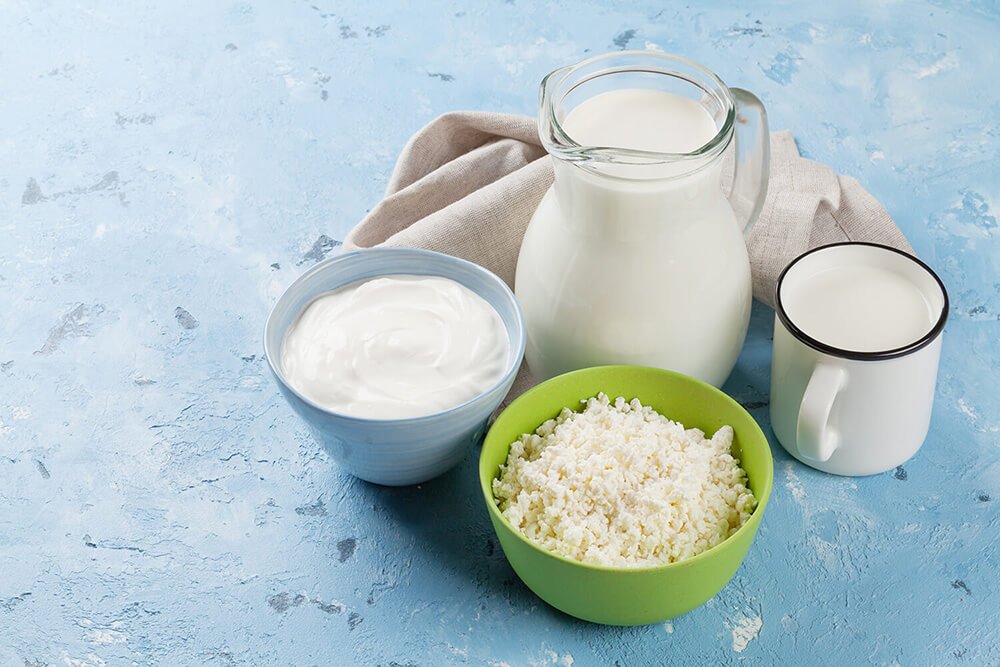
Milk Agricultural Safety
Dairy farmers strive every day to produce wholesome milk and milk products that your family can feel good about eating. The United States dairy industry is constantly growing and changing to meet the needs of people with food sensitivities and allergies. Learn more about lactose-free dairy foods and delicious meals that you can make for healthy eating. We have an abundant number of recipes to give your body the vitamins and minerals it needs for strong bones.
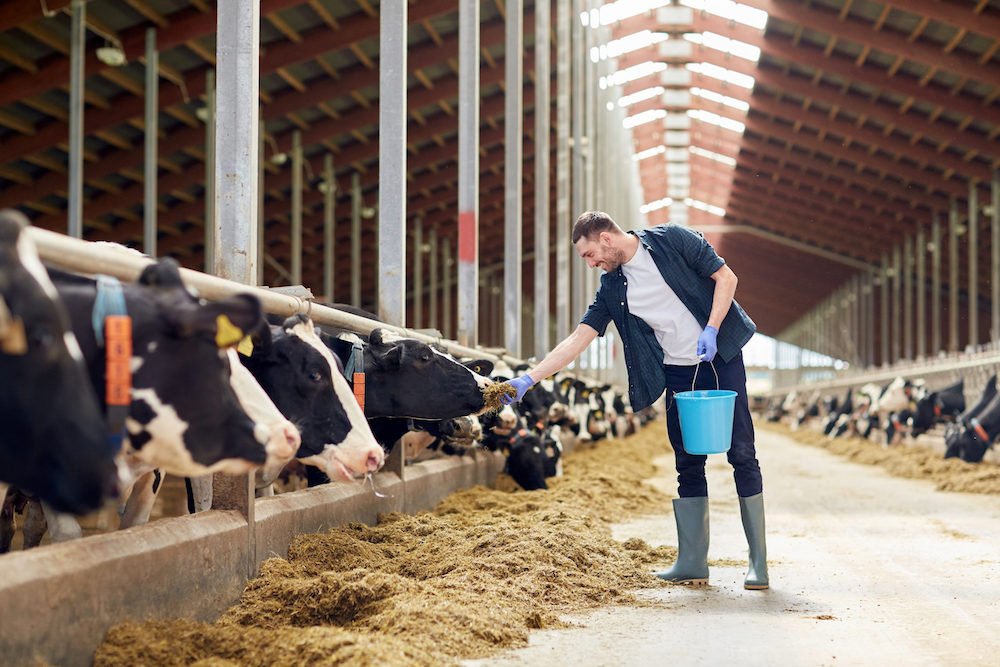
National Dairy Month
Celebrated annually since 1939, June is recognized as National Dairy Month to pay tribute to nutritious dairy products like milk, cheese, yogurt, and more. This month also pays tribute to the hard-working dairy farmers who help produce it for us all. Learn more about this important month. The milk farming industry is a significant part of our nation’s history. We are proud to honor our cows, farms, and farmers. Cheers to dairy!