26f7.jpg?format=1500w)
Dairy Milk Farming: A Field is More Than Just a Field

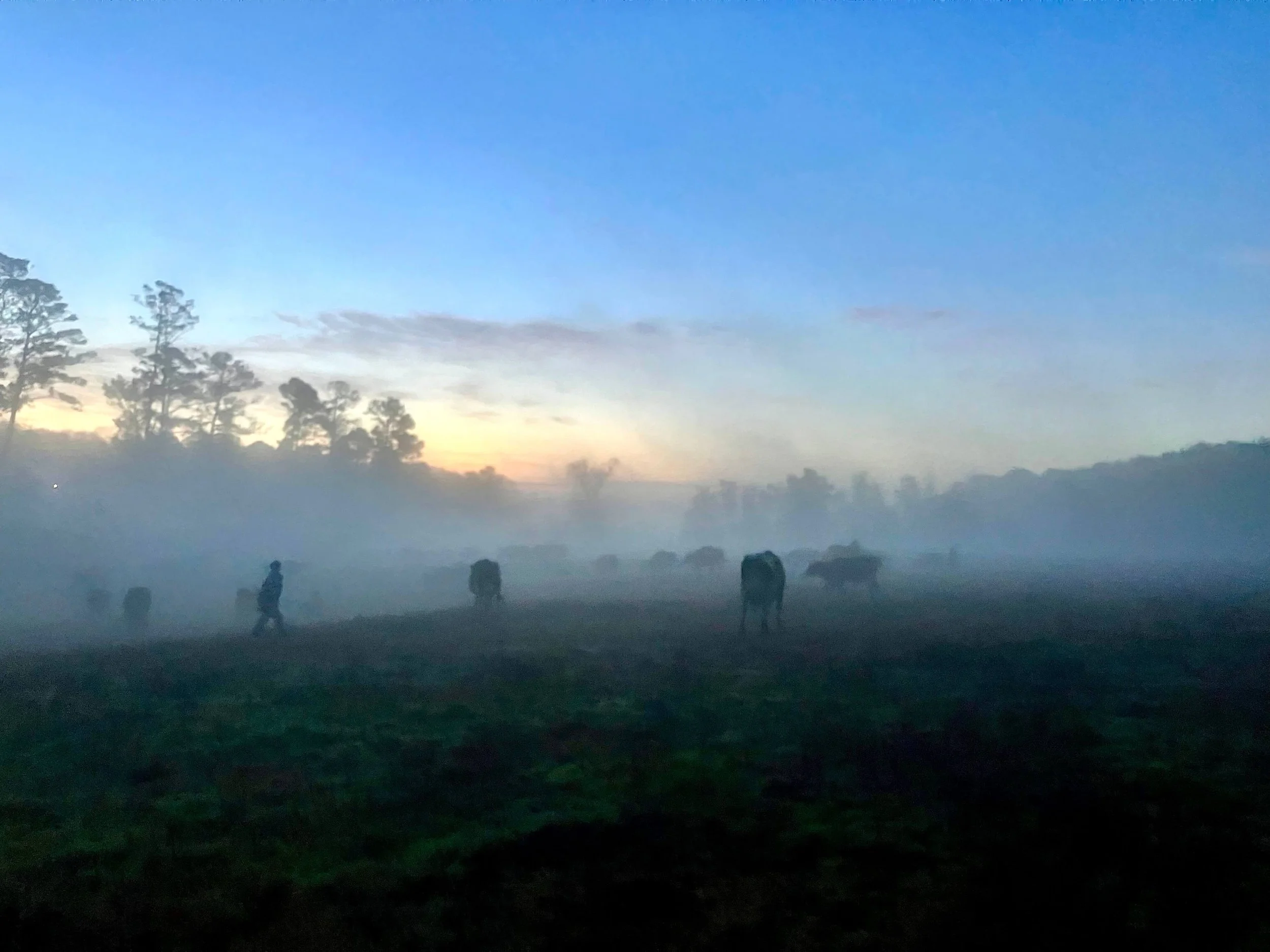
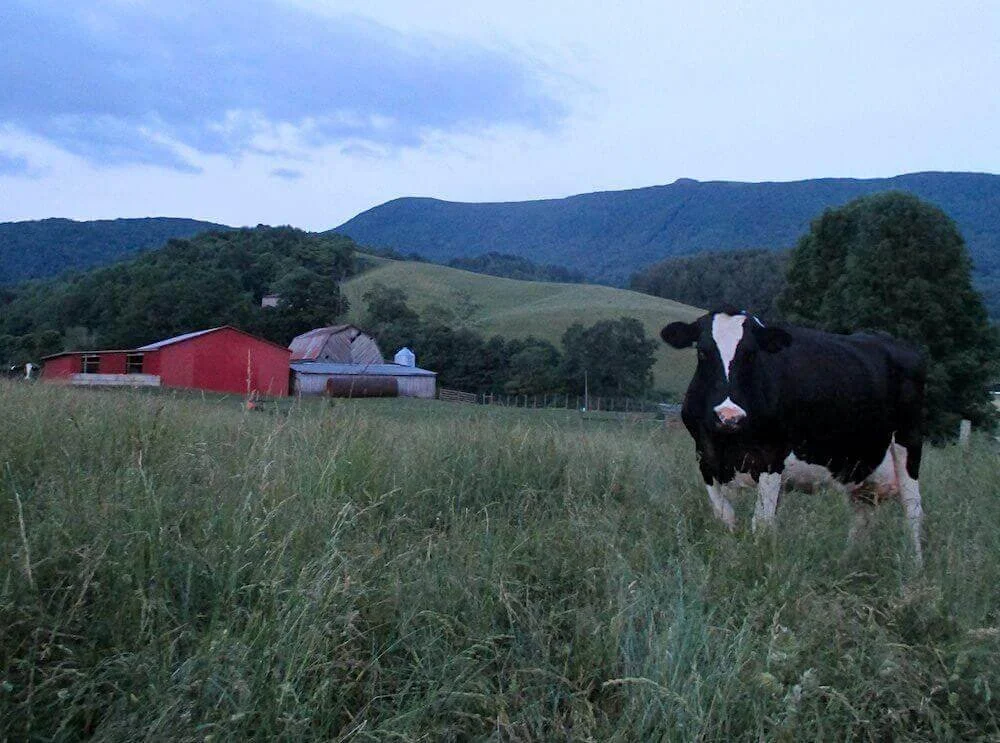
Milk farming is a part of dairy farming, but the two terms are understood as the same and used interchangeably. Dairy farms are an important part of the U.S. economy. How does farming milk utilize the fields on the property? Perhaps you consider a dairy cow in the pasture, chewing on the grass as she enjoys the warm sun and gentle breeze.
Yet, the dairy farm field is used in ways similar to other areas of agriculture, growing crops that are important to the business. A dairy farm field does more than you think. Let’s explore the significance of milk farming, its sustainability practices within the dairy industry, animal welfare considerations, and the intricate journey of milk from farm to table.
Key Takeaways:
Dairy fields grow feed for cows and support milk production, not just scenery.
Farmers use conservation practices to protect soil, water, and the environment.
Healthy fields, cows, and land work together to keep milk farming sustainable.
The Significance of Dairy Farming
It is a cornerstone of the agriculture industry, vital not just for its economic contributions but also for its role in supporting local communities.
Dairy farming is an essential part of dairy production, responsible for producing milk and various other dairy products. It ensures a constant supply of fresh milk, a staple in many households, thus fulfilling a critical need in daily nutrition.
Economically, dairy farming is a powerhouse. It generates substantial revenue for farmers, processors, and distributors, creating jobs and supporting local businesses. The dairy industry significantly contributes to the overall economy, fostering growth and stability.
Farming milk is integral to community development. Dairy farms provide employment opportunities, allowing individuals to contribute to their local economies. Many dairy farmers also participate in community initiatives, sponsor local events, and support charitable causes, thereby fostering a sense of community and social responsibility.
In summary, milk farming is crucial for meeting the demand for dairy products, making significant contributions to the agricultural industry, local economies, and community development. Farming milk is pivotal in ensuring dairy farmers' and consumers' sustainable and prosperous future.
Milk Farming Fields
To protect the soil, dairy farmers implement reduced or non-till methods to keep the soil intact. The ability to triple crop or consistently have something growing on the fields helps retain soil organic matter and stores carbon in the soil so it isn’t released into the atmosphere. Rotating the crops grown throughout the year also helps maintain the soil’s health. These cover crops slow erosion, maintaining the soil for more productive harvests. Manure from cows is used as a natural source of fertilizer that can be applied to crop fields to grow more feed for dairy cows.
Dairy farmers have demonstrated that field practices such as no-till and cover crops, combined with manure handling and nutrient management technology, can reduce runoff and protect the quality of the water that leaves the farm. Most of a dairy cow’s diet comprises plants like corn and alfalfa. Dairy cows also enjoy grain. These can be grown on the farm as part of this bigger practice.
Milk farming fields can house alternative energy sources for the community. Anaerobic digesters harness the energy of manure. A digester decomposes cow manure and captures the gases released. These captured gases fuel the farm or the surrounding community and can be used for electricity, heat, compressed natural gas, and even vehicle fuel.
“We try to recycle everything,” says Courtney Cornett about the resources found on a dairy farm. “We use all that to fertilize our fields, it goes into our crops, and it helps us make high-quality nutrient crops for the dairy cows. It’s a full circle.”
Sustainable Milk Farming Practices
As the demand for milk rises, adopting sustainable milk farming practices becomes increasingly important to ensure the industry's long-term viability. Here are some key sustainable practices being adopted in milk farming:
Efficient Water Usage: Water is a precious resource, and dairy farmers are implementing measures to minimize its usage while maintaining optimal herd health. Advanced irrigation systems, recycled water, and water-saving technologies help reduce water waste and conserve this invaluable resource.
Renewable Energy Sources: Many dairy farms are using renewable energy to power their operations. Solar panels, wind turbines, and biogas digesters are increasingly used to generate electricity and heat, reducing reliance on fossil fuels and decreasing greenhouse gas emissions.
Reducing Carbon Footprint: Dairy farmers are adopting practices to reduce the carbon footprint of milk production. Optimizing feed formulations, better manure management, and implementing energy-efficient technologies are all steps being taken to minimize environmental impact.
At The Dairy Alliance, we are committed to promoting sustainable milk farming practices. Through dairy farming education, research, and industry collaboration, we aim to support dairy farmers in adopting environmentally friendly practices that ensure the industry's long-term sustainability.
Animal Welfare in Milk Farming
Animal welfare is a top priority in milk farming.
Living Conditions
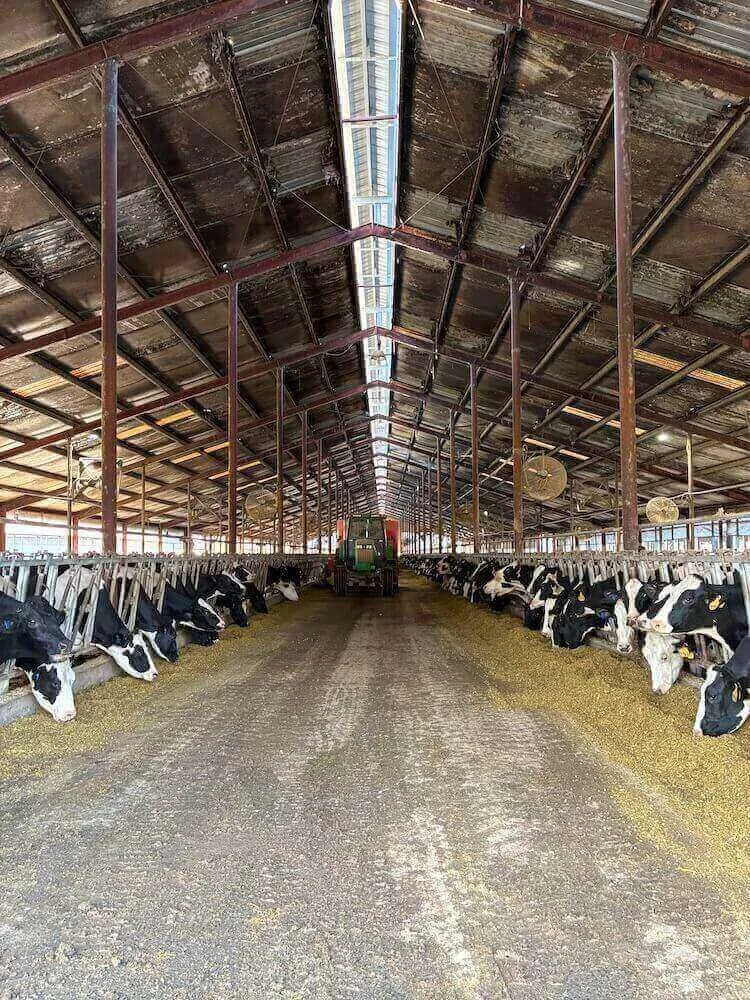
Farmers understand the importance of providing comfortable living conditions for dairy cows to ensure their well-being and productivity. Cows are housed in clean and spacious barns that offer ample space for them to move around, lie down, and socialize.
Nutrition and Healthcare
Dairy cows are provided with proper nutrition and healthcare. Farmers work closely with nutritionists to develop balanced diets that meet the specific needs of each group of cows. These diets are carefully formulated to provide the necessary nutrients for optimal milk production and overall health.
Regular health check-ups and vaccinations are also essential in dairy farming. Dairy farmers have a close relationship with their veterinarians, who monitor the health of the cows and provide necessary treatments or preventive measures. This ensures that health issues are addressed promptly, minimizing the risk of diseases or infections.
Stress and Well-being
Farmers strive to minimize stress and promote the well-being of their dairy cows. Cows are handled with care and given a routine that they can rely on. They are milked regularly, usually two to three times daily, ensuring comfort and preventing discomfort or pain. Farmers also provide cows with access to clean water, shade, and ventilation to keep them cool during hot weather.
FAQs for Dairy Farming
Q: Why is a dairy farm field more than just a field?
A: It grows feed for cows, supports soil health, and helps produce the milk and dairy foods families rely on every day.
Q: How do dairy farmers care for their fields and the environment?
A: They use tools like crop rotation, cover crops, careful manure use, and reduced tillage to protect soil, water, and local ecosystems.
Q: How do healthy fields support cow care and milk quality?
A: Nutritious crops from well-managed fields feed cows balanced diets, which support cow health, comfort, and high-quality milk production.
At The Dairy Alliance, we promote animal welfare in milk farming. Our farmers adhere to strict dairy industry guidelines and regulations to ensure the highest standards of care for their cows. By supporting our dairy farmers, you can trust that your milk comes from well-cared-for and healthy cows.
To learn more about the work done in milk farming fields, check out this sustainability information.
Related Posts