26f7.jpg?format=1500w)
What is Winter Life Like for Southeast Dairy Farmers?
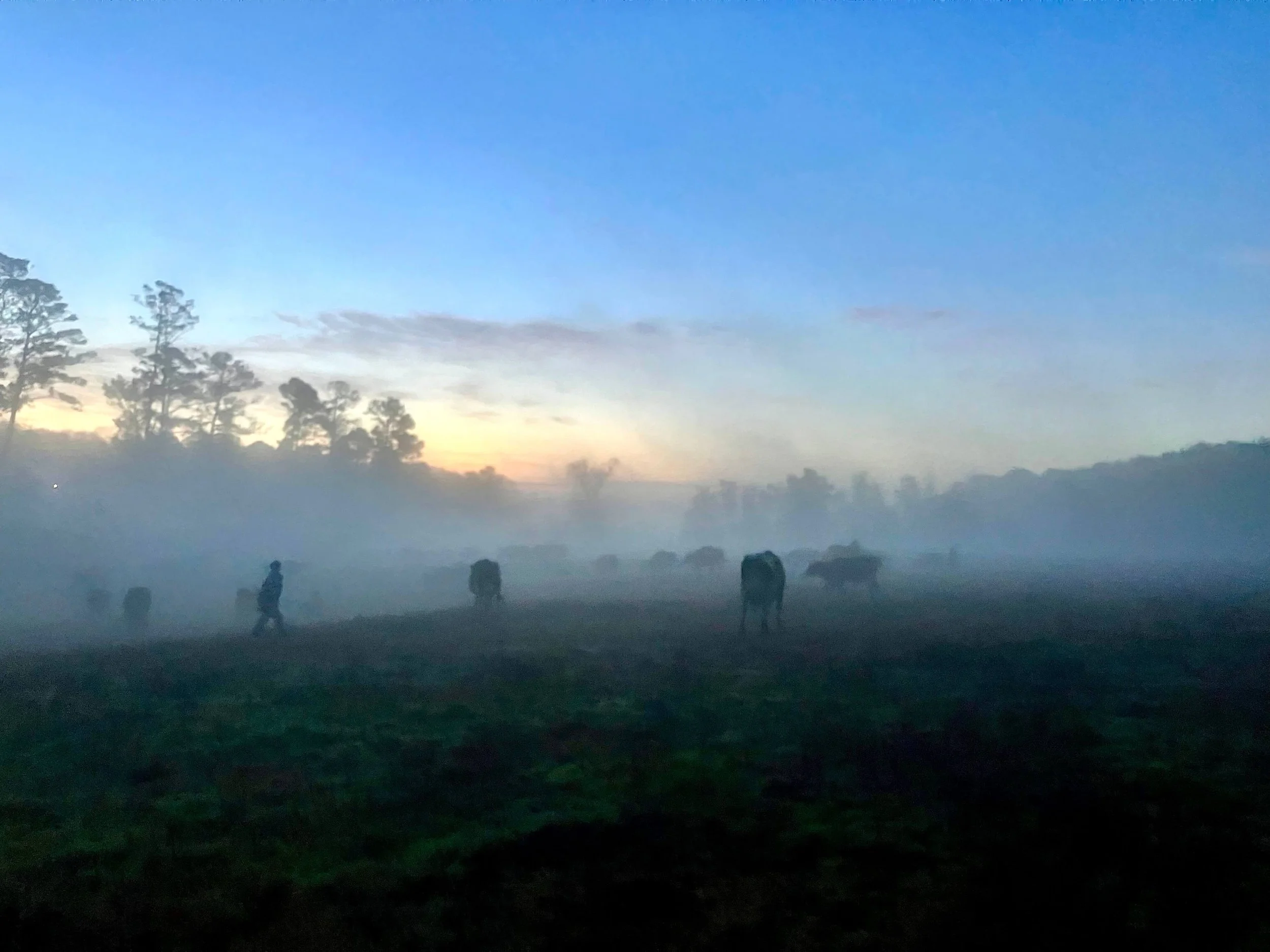
Winter might have us reaching for extra layers, but for Southeast dairy farmers and their dairy cows, cooler days are a welcome break from the heat. With a natural body temperature of around 101°F, cows actually enjoy these colder temperatures. The winter months bring their fair share of challenges for a farmer, though, who must prepare for winter storms with backup generators, keep the farm running, maintain equipment that might be susceptible to freezing, and protect the littlest members of the herd (the calves). Here’s how local dairy farmers keep their herds healthy, comfortable, and thriving through the varying Southern winter.
Key Takeaways:
Cold snaps make cow comfort a priority on Southeast dairies, from shelter to bedding and wind protection.
Dairy farmers adjust feed, water access, and barn ventilation in winter to keep cows healthy and productive.
Caring for cows in cold weather helps maintain milk quality, animal well-being, and overall farm resilience.
Winter for Southeast Dairy Farmers: Cold Snaps and Cow Comfort
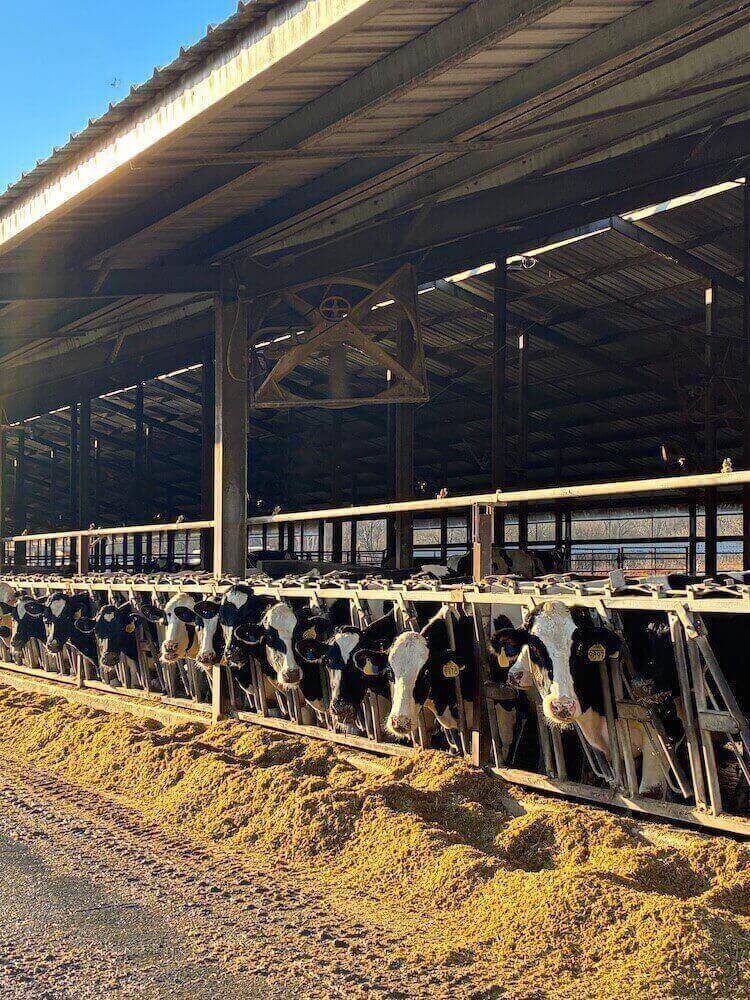
Highland Dairy Farm: Glade Spring, VA
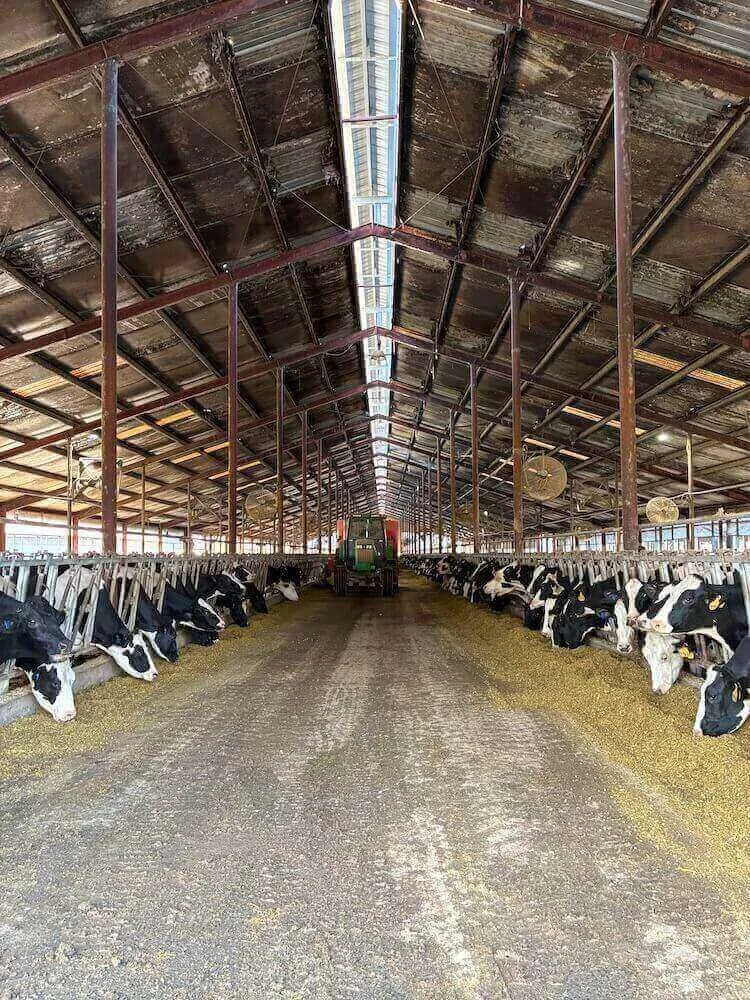
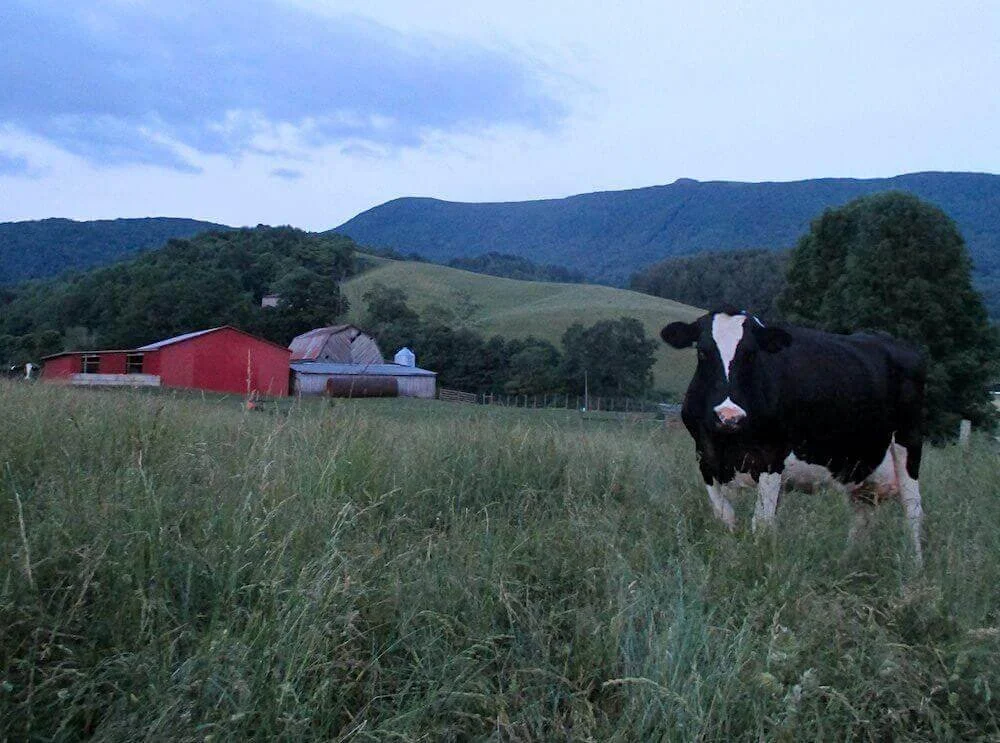
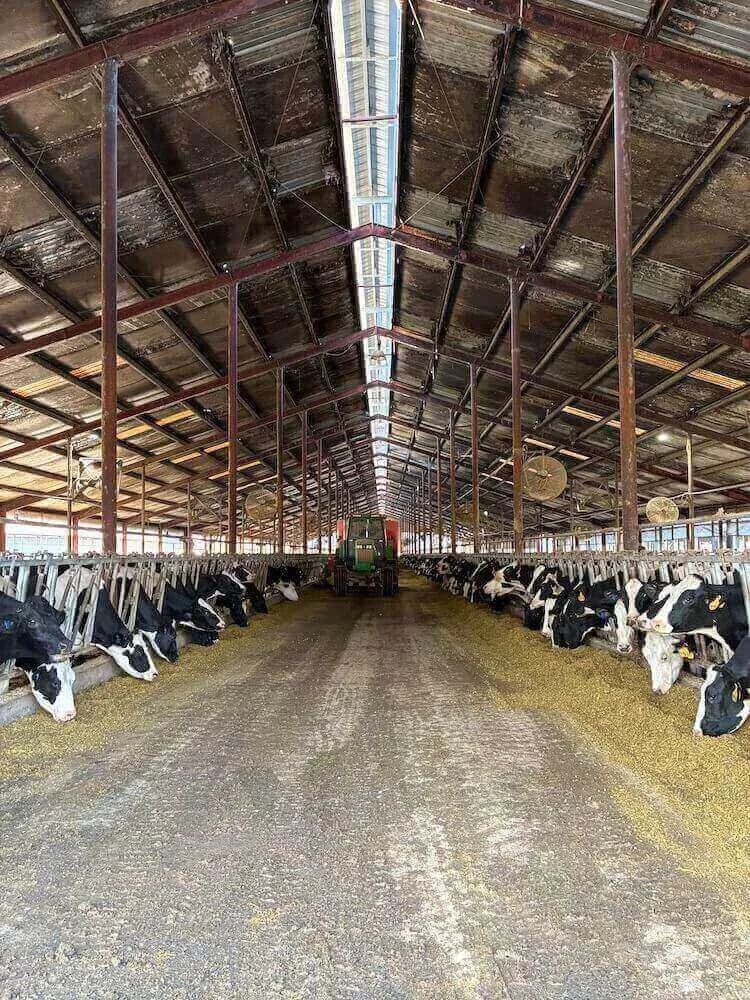
Located in southwest Virginia, Highland Dairy Farm has to deal with some cold weather. During the colder temperatures, the farm uses calf coats for the youngest calves, and they increase the amount of bedding in the calf barn. There are curtains on the sides of the calf and cow barns that close to help retain heat and block wind. Also, a special cold-weather teat dip is used on cows after they are done milking. This solution has extra lanolin to help prevent chapping and frostbite on the cow’s udder.
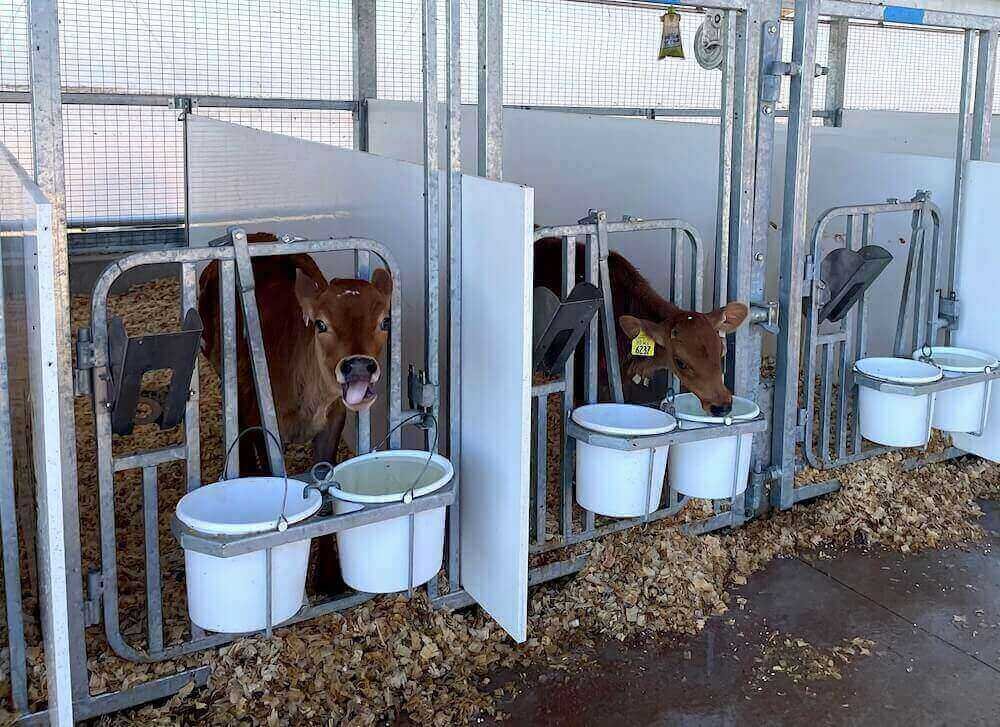
Providence Farmstead: Bowersville, GA
Providence Farmstead is located in Bowersville in North Georgia, where it can get pretty chilly and windy during the winter months. While the dairy cows actually prefer these cooler temperatures, the Russell family makes sure their calves don’t get too cold by keeping them covered in a calf barn and bedded with a thick layer of shavings to keep them warm. Dairy farmer Colin Russell had the calf barn strategically built and positioned in a direction that blocks most of the cold wind from the new calves on the farm. The barn also has a wind curtain that can be raised during warmer months to keep calves cool and lowered during the winter to keep them warm. For the first few weeks, each calf has its own pen to make sure they are eating, drinking, and growing a strong immune system. Once they reach a certain age, the dividers can be easily removed, allowing the calves to socialize together in groups.
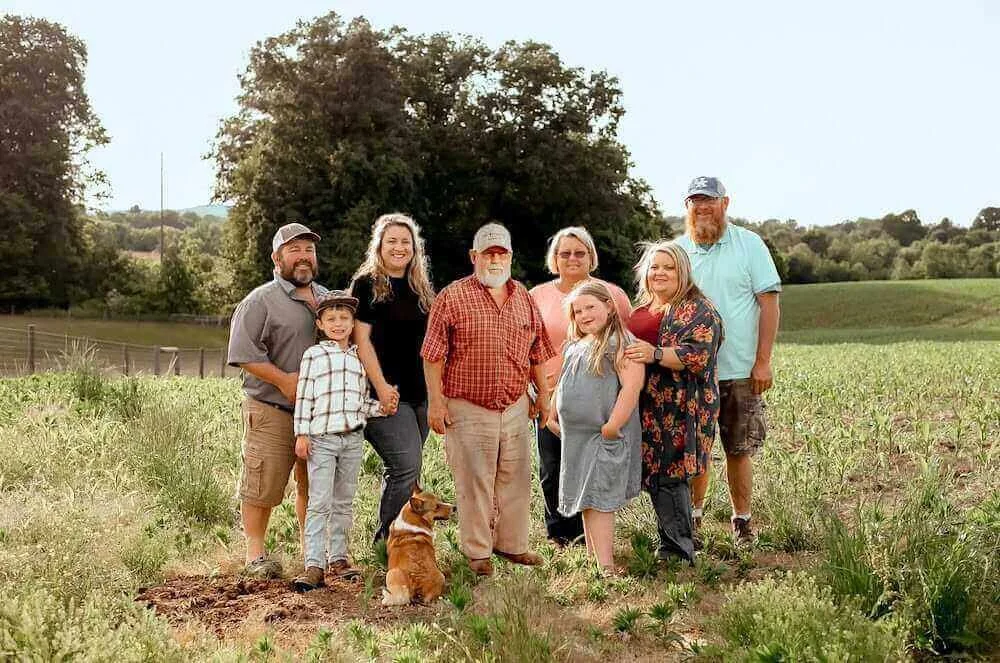
Kinslow Dairy: Smiths Grove, KY
Kinslow Dairy was established in the 1970s by Don’s parents, Marshall and Buena. The current location was established in 1996 by Don and Gail Kinslow, along with their children, Jeremy Kinslow and Lindsie. Today, the fourth generation is in training and growing in 2026.
On their dairy operation, they have the approach that everyone has their strengths, and those are the jobs they do daily. They also find that being diversified is the only answer to a functional cash flow.
One of the biggest moving parts on their operation is raising replacement dairy heifers. Each step has its own set of issues raising heifers. What stands out to them is starting from day one keeping the calves dry and comfortable. Some common practices for them during colder months are keeping a super hutch in the maturity barn with plenty of fresh bedding for immediate care. Each calf is placed in her own clean hutch bedded with sand and a stylish calf blanket. During weather extremes, there is extra straw bedding added. A healthy diet is the top priority, making quality feed a must. They also offer water 24/7, as hydration is always important even in the winter.
Lindsie and her husband, Adam, have about 1000 acres of row crops with Jeremy and Kelsey. As a family, they have 100 beef cows on a leased farm. Recently, a Logsdon sheep herd was added to the diversification plans! You don’t have to tell any dairy farmer that there are a lot of moving parts on a dairy operation, which creates a lot of expenses. This is why it takes the entire family to make the operation work.
As they work together on their family dairy operations, keep in mind they are also raising the next generation of dairy farmers, Gracie Logsdon and McCoy Kinslow. While they are still trying to find their strengths on the farm, they are finding joy in farming. As a family hobby, they show all 7 breeds of dairy cattle on several levels of competition in County, State, and National, as well as showing and selling registered animals bred on the farm. This has become a favorite hobby for both Gracie Logsdon and McCoy Kinslow in the past couple of years, too. Both are active members of the Barren County Dairy 4-H Club, Moo Crew.
Kinslow Dairy looks forward to the future of the dairy industry and especially the impact their future generations will have on the industry.
Question & Answer About Southeast Farmers
Q: How do cold snaps affect dairy cows on Southeast farms?
A: Cold snaps increase the need for dry bedding, shelter from wind and moisture, and careful monitoring so cows stay warm, comfortable, and healthy during sudden temperature drops.
Q: What do dairy farmers do to keep cows comfortable in winter?
A: Farmers focus on deep, dry bedding, draft-free barns, good ventilation, reliable access to unfrozen water, and balanced winter feed to support cow comfort and energy needs.
Q: Why is cow comfort important during winter for milk production?
A: Comfortable cows handle cold stress better, eat and drink more consistently, and are more likely to maintain strong milk production and overall health throughout winter.
Related Posts