26f7.jpg?format=1500w)
Dairy Foods and Beverages Help Manage Morning Sickness

Nausea and vomiting, often referred to as “morning sickness,” are common symptoms of pregnancy. If this is you, know you’re not alone! And, dairy foods can help.
The majority of women experience some sort of morning sickness during their pregnancy, and it most likely will get better with time. The fluctuation in hormones associated with pregnancy is thought to be to blame, but the exact cause is unknown. Though symptoms happen more often in the morning hours upon waking up, “morning sickness” can happen at any time. Keep reading for tips on managing symptoms and when to consult your doctor.
Start Small and Keep It Simple
It may sound nauseating to even think about eating food, but having an empty stomach may worsen things. Start by eating something small and simple to digest, like saltine crackers, pretzels, fruit, or cereal. Once tolerated, gradually increase the amount and types of foods eaten. Sweet foods like fruit or yogurt may be better tolerated than heavier, more savory foods.
Choose Cold Foods (Preferably Cold Dairy Foods)
Certain smells often trigger nausea. The aromas that come from cooking foods may also be problematic. Choosing cold foods that don’t give off a smell may be helpful. An ice-cold smoothie is a great option, just blend any frozen or fresh fruit, real milk, and yogurt for a sweet and sippable solution. If lactose gives you trouble, try lactose-free milk—it has the same great nutrition as milk, just without the lactose.
Small Meals, More Often (with Dairy Foods)
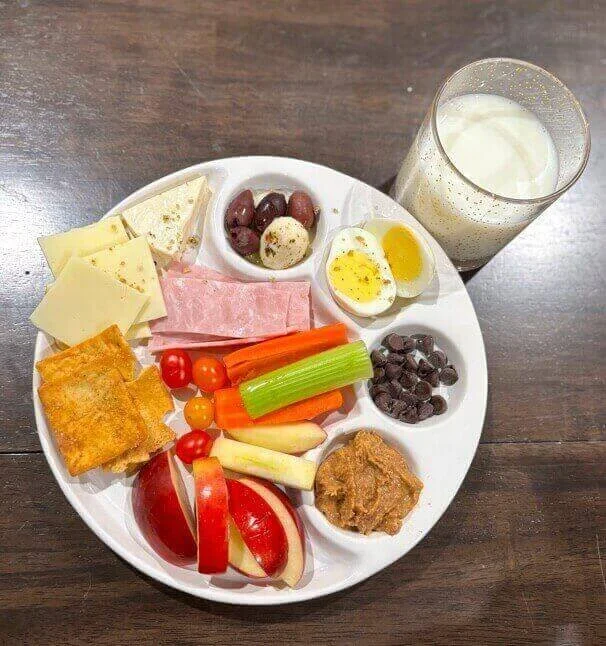
Morning sickness may prevent you from eating normal, full meals but nutrition during pregnancy is still important. Try eating nutrient-dense small meals and snacks more often. Dairy products like milk, yogurt, and cheese contain 7 out of the 14 nutrients the American Academy of Pediatrics names essential to the child’s brain growth and development, like protein, iodine, and vitamin B12.
When to Seek Medical Help
Hyperemesis Gravidarum (HG) can be common in some pregnancies and is more severe than occasional morning sickness, potentially causing severe dehydration and the need for clinical treatment. Read more here about how to distinguish between morning sickness and hyperemesis gravidarum. If you believe you experience HG, consult with your doctor for treatment.
Keep Going!
You’re doing great! Building a baby is hard work. Share these tips with your support system around you and don’t be afraid to ask for help.

Related Posts