.jpg?format=1500w)
Stay Nourished On a Budget with Dairy Foods

According to a recent survey, Americans say that taste, price, and healthfulness are the top three factors that influence their decision to buy certain foods and beverages. In that same survey, 91% of Americans said that they have noticed an overall increase in the price of food and beverages. With a little planning, you can make the most of your food budget and still enjoy nourishing foods, including dairy foods, that taste great.
Plan Ahead: Don’t Forget the Dairy Foods
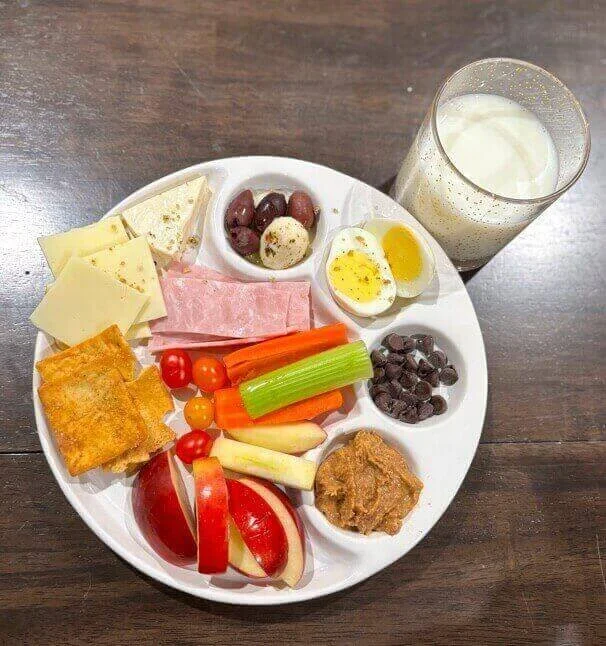
Choose a day when you can take the time to sit down and brainstorm your meals for the week. Use the MyPlate tool as a visual guide to create balanced meals with the right mix of nutrients to fuel your body. Start by filling half of your plate with vegetables and fruits. Next, fill one-quarter of your plate with a source of lean protein and fill the remaining portion with a serving of whole grains. Round out your meal with a serving of dairy, like milk, yogurt, or cheese. Once you have a plan for the week, create a shopping list of all the needed ingredients.
Choose Nutrient-Dense Foods From Each Food Group
A variety of fruits and vegetables, lean proteins, like lean meats, seafood, beans, lentils, nuts, and seeds, whole grains, like brown rice, quinoa, whole grain cereals, and oats, and dairy foods, like milk, yogurt, and cheese are loaded with essential nutrients our bodies need. Use more of your food budget on these foods and less of your food budget on items that are higher in added sugar and sodium, yet lack essential nutrients, like sugar-sweetened beverages, desserts, and chips.
Compare Prices and Look for Sales and Coupons

Once you’ve planned your meals and created a shopping list, check your local stores’ sales flyers for discounts, especially on more expensive items, such as meats and seafood. Many stores have their sales posted on their websites and offer digital coupons to make it easier to take advantage of these perks and even plan to use more of the items that are on sale during a given week. Also consider the unit price and determine when it makes sense to purchase a larger quantity of an ingredient, especially for items that don’t spoil quickly, like canned beans, canned vegetables, grains, nuts, and seeds. There are certain items I always buy when they’re on sale, like kefir. Fermentation keeps kefir fresh until the expiration date stamped on the bottle regardless of when you open it, making it a great option to stock up on for use in smoothies and salad dressings.
Need some inspiration? Check out these balanced recipes that may also help you balance your budget:
For a kid-friendly lunch or dinner try these Cheesy Stuffed Potatoes featuring protein-rich yogurt and cheese. Go for frozen vegetables or use whatever leftover cooked veggies you may have on hand to reduce food waste.
Purchase a few ancient grains and add milk and staple ingredients, like butter, vanilla, and cinnamon to make this filling Ancient Grain Hot Cereal for breakfast.
Skip the store-bought version and bake a double batch of nutrient-dense Maple Spiced Snack Bars. Individual bars can be frozen for future snacking.
Instead of ordering takeout, make your own Easy Cheesy Chicken Enchiladas for a fun and festive meal at home.

Jessica Ivey is a Registered Dietitian and chef with a passion for teaching people to eat healthy for a happy and delicious life. She loves spending time in the kitchen creating original recipes to help busy families eat well and enjoy more meals together. Jessica lives in Birmingham, Alabama, with her husband, two toddlers, and dog.
Related Posts