.jpg?format=1500w)
See Dairy Differently with the Cowherds of Cowherd Dairy

Cows enjoy whiskey, just not in the same way humans do! While we enjoy drinking the final whiskey product, dairy cows eat the byproducts of the whiskey-making process. Feeding byproducts of other industries is commonplace on dairy farms across the Southeast. In Kentucky, farmers are working with local distilleries to find a new home for a common distiller byproduct--and that new home is a cow’s stomach. Cows have a four-chamber stomach that allows them to upcycle a product considered waste and instead turn it into a nutrient-packed food we can all enjoy.
There are 350 dairy farm families in Kentucky that work tirelessly to provide a safe, affordable, and nutritious product for you to enjoy. The average dairy cow produces anywhere from 6 to 8 gallons of milk per day, or about 125 glasses. The average dairy cow produces more than 2,000 gallons of milk every year.
Meet Cowherd Dairy
Local Kentucky farm Cowherd Dairy is bringing sustainability to local whiskey products.
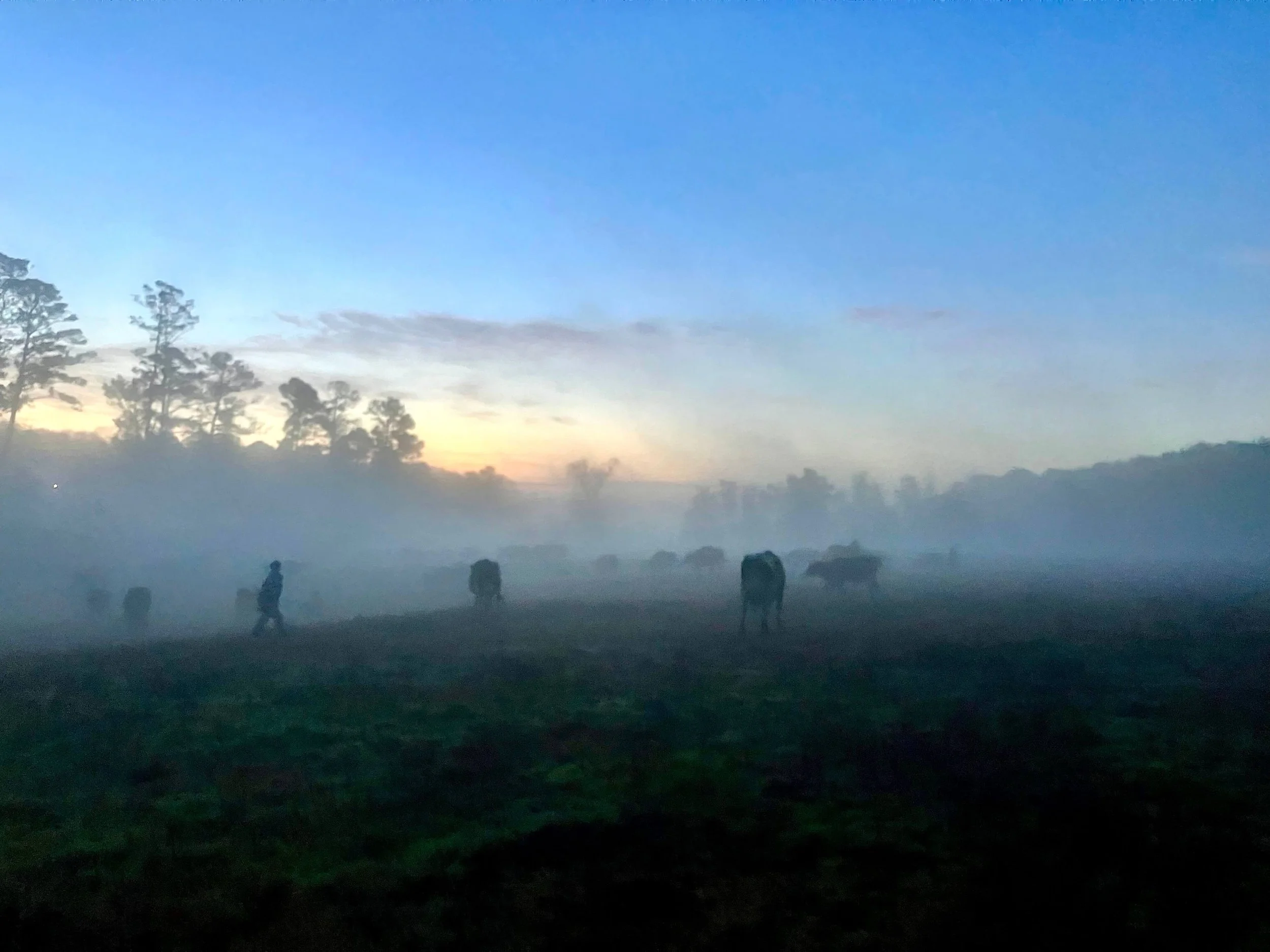
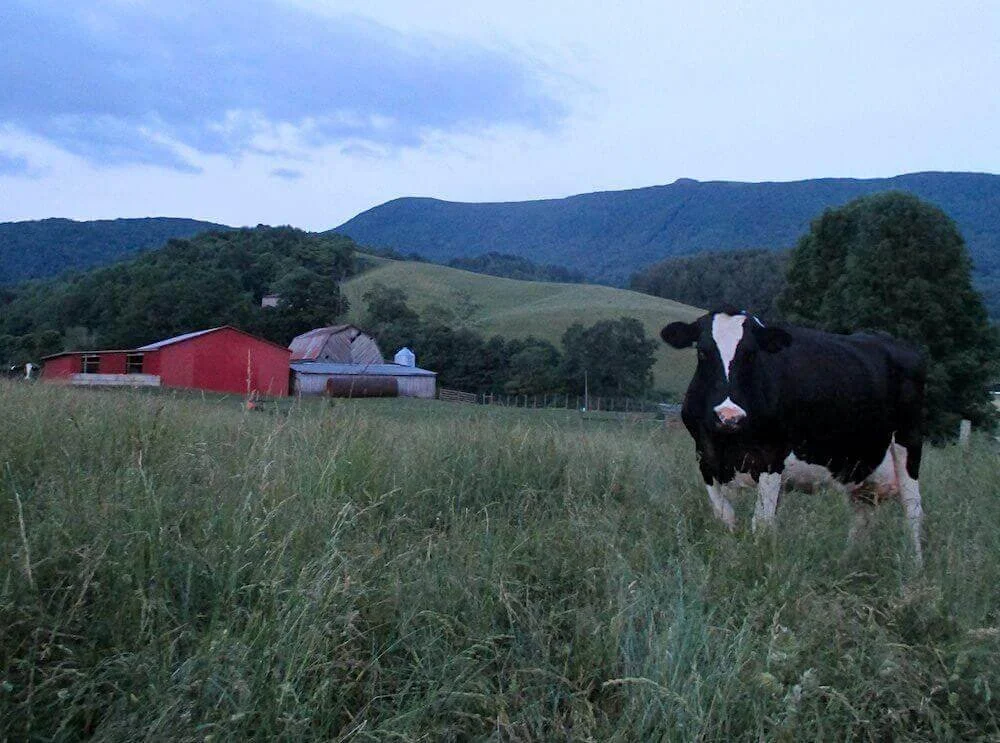
Cowherd Dairy in Campbellsville, Kentucky. Dairy farmer Caden is the fifth generation on the farm and co-owner alongside his father and grandfather. With a surname like Cowherd, dairy farming was a fitting choice for the family business. Caden is the feed and waste management specialist on the farm, so he knows the ins and outs of the operation’s sustainability practices.
Sustainable Feed at Cowherd Dairy
Dairy cows are multitasking wonders. They produce nutritious food for people, enrich soil for crops, and can increase renewable energy for communities.
“I don’t know another industry that is more environmentally conscious than farmers,” considers herd manager Billy Wilcher.
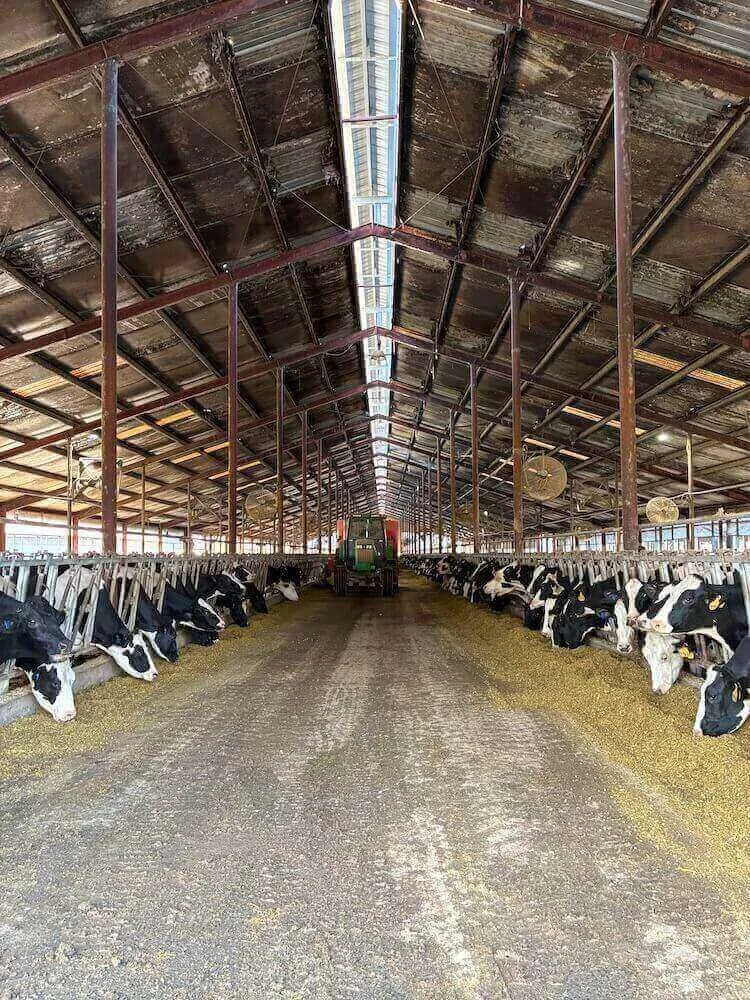
Dairy farmers keep greenhouse gas emissions down by feeding cows byproducts from other industries like spent grains, cotton seed, and citrus pulp, which would otherwise be thrown in a landfill. Up to 1/3 of a dairy cow’s diet comes from byproducts.

And what is added to a cow’s diet may have more benefits than waste reduction. It may help the environment in other ways. The dairy industry has committed to significantly reducing its environmental impact. Scientists are investigating new changes to a cow's diet that have shown encouraging reductions in the amount of methane they emit. Dairy farmers are making nutritional changes to their cows’ diets, like adding starches, fats, and seaweed, which may help reduce methane emissions by up to 20%-50%.
Feed ingredients can also benefit the cows that eat them. In addition to feed providing essential vitamins and minerals, feeding an additive to help with digestion helps with milk production. The farm brings in nutritionist Megan Taylor to adjust the feed to meet the needs of the herd. She keeps the cows healthy and happy so they can continue to produce quality milk.
The dairy farm grows 450 acres of wheat silage to use as a cover crop and carbon credit, as well as 650 acres of corn silage and 250 acres of corn. All forages are grown on the farm. Additionally, some of the ingredients not grown from the farm come from local industry. The farm uses byproduct ingredients like cotton for fiber, citrus pulp pellets, and soybean meal. Cowherd also uses soybean diesel as fuel for its tractors in the field.
Cowherd Dairy and Four Roses Bourbon
There are a few things Four Roses Bourbon’s distillery in Lawrenceburg, Kentucky, and Cowherd Dairy have in common--they are both dedicated to creating a quality product while minimizing their environmental impact and stimulating the local economy in rural Kentucky.
And how do the cows feel about their whiskey byproduct syrup?
“To the cows, it’s like ice cream to a kid,” jokes Caden. “They love it!”
Four Roses Bourbon sends its spent distillers’ grain in its final syrup-like form to Cowherd to be used in the feed and make the byproduct a source of nourishment for the milking herd. The distiller no longer needs to add its grain as waste in landfills and the dairy farms receive a low-cost feed ingredient that they can formulate into their cows’ rations. And we get to enjoy the milk the cows produce after eating this byproduct. It is a win for everyone involved.
So cows enjoy whiskey, and orange juice, and soybeans, and many other products that leave byproducts for industries to send to Cowherd Dairy. What are your local cows chewing on?
To learn more about sustainability efforts on dairy farms, visit our Sustainability and the Dairy Industry section. This article is part of an ongoing video series. Follow along on our social media channels as we talk to Southeast dairy farmers about their work.
Related Posts