.jpg?format=1500w)
The Importance of Milking Cows: Learn the Process

🐄Key Takeaways on Milking Cows:
Cows want to be milked (yes, really): when you skip or delay, it’s uncomfortable for them — milking is more than just milk-harvesting, it’s animal welfare.
A single dairy cow can churn out ~8 gallons of milk daily (that’s a LOT of milk money) — and that production only keeps up if she’s milked regularly.
Healthy udders, low somatic cell counts, clean parlors, happy herds = higher quality milk. There’s science + care behind every glass.
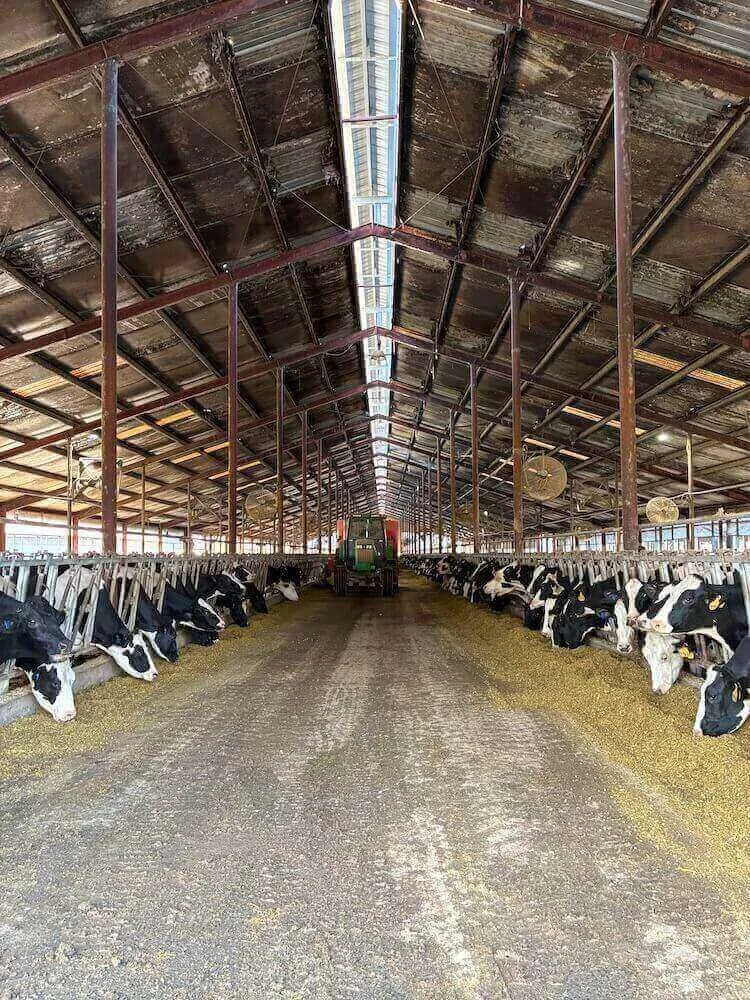
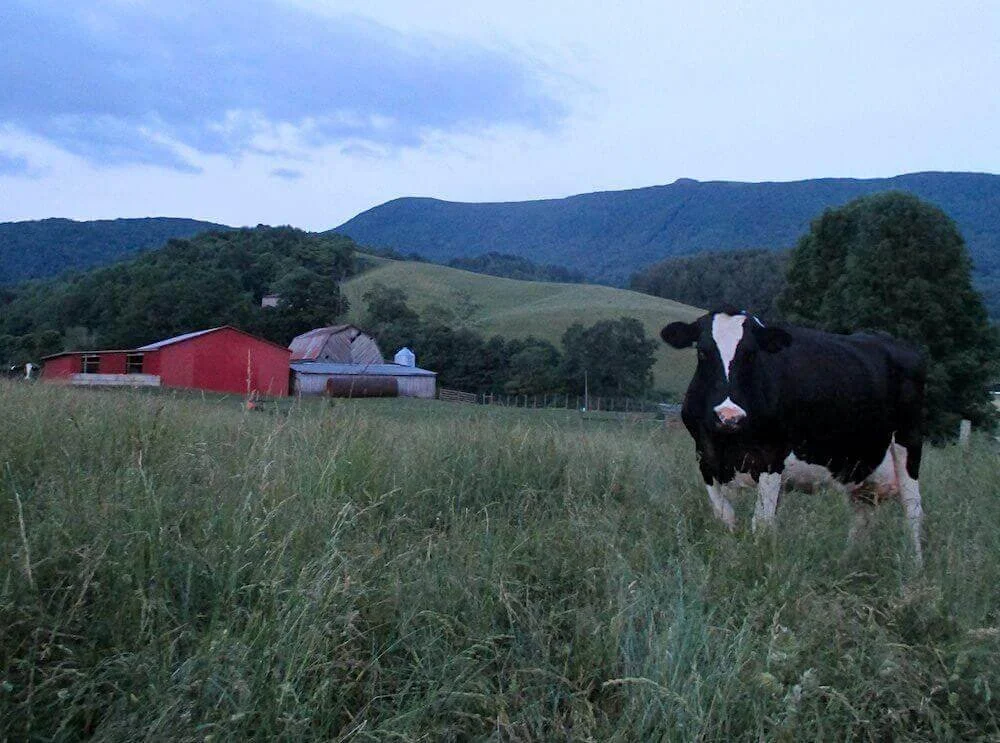
When you imagine milking cows, you likely visualize a farmer on a stool holding a bucket as they milk a cow enjoying her cud. Whether done by hand or through modern technology, cow milking remains an important part of dairy farming in the United States today.
At dairy farms, the cow milking process begins when a heifer becomes a cow, a female bovine who has birthed a calf. After giving birth, female cows produce milk for their young. Only after a female cow becomes pregnant is she considered a dairy cow. If cows create milk because they have calves, shouldn’t cow milking only happen when the calves feed from them? Well, no. The cow milking process begins with the birth of a calf, but it doesn’t simply stop whenever calves aren’t hungry.
The Importance of Milking Cows
Here are three reasons it is important for dairy farmers to milk cows:

Calves wean off milk very quickly. The first days are spent drinking colostrum, a very special and nutritious milk created by the mother that is essential to a newborn calf’s health. Once done with colostrum, the diet is switched to milk or a milk replacer. Dairy farmers provide a bottle instead of straight from the udder to track how much the calves eat. Calves are introduced to a mix of milk and dry grains as they are weaned to eat their TMRs and water.
Following a healthy diet for their age, calves don’t need milk for as long as a cow produces it, so this excess milk is collected for human consumption. And once cows are milked, they quickly create more milk and need to be milked again. Dairy cows are breeds chosen because of the high amount of milk produced. Milking cows provide, on average, 8 gallons of milk a day per cow. Yes, an average means a cow may produce less milk, but it also means a cow may produce even more than that. No wonder cows are often milked two or three times a day!
It’s important to keep dairy cows happy and healthy to maintain the dairy production of quality milk. For example, somatic cells (a mixture of milk-producing cells and immune cells) are vital in the cow milking process. Somatic cell counts are used universally to determine the health of dairy cows and the quality of milk. Also, reducing the weight on a cow’s udders is important for the cows’ welfare. In fact, dairy cows enjoy the milking process, even having a favorite area in the parlor to be milked or their favorite music playing! Dairy farmers herd cows into the parlor, clean their udders with iodine, and attach suction tubes to pull the milk from the teats gently.
FAQs About Milking Cows
Q: Why do dairy farmers need to milk cows regularly?
A: Regular milking keeps cows comfortable, protects udder health, and allows farmers to collect safe, high-quality milk for people to drink.Q: Do cows make milk all the time, or only after having a calf?
A: Cows begin producing milk after they have a calf, and with good care, they continue making more milk than the calf needs, so farmers milk them during that lactation period.Q: What happens if a cow is not milked on schedule?
A: Her udder can become uncomfortably full, which may cause pain, stress, and a higher risk of udder infections.Q: How does milking relate to udder health and somatic cell count?
A: Consistent milking, clean equipment, and good cow care help keep somatic cell counts low, which is a sign of healthy udders and better quality milk.Q: Why do some farms bottle-feed calves instead of letting them nurse directly?
A: Bottle feeding helps farmers track exactly how much each calf eats, support healthy growth, and still collect extra milk from the cow for human use.Q: Do cows like going to the milking parlor?
A: Many cows follow the same routine every day, often walking calmly to the parlor and standing in their favorite spots, which suggests the process is familiar and comfortable for them.Q: How long is a cow usually milked before getting a break?
A: A cow is typically milked for most of her lactation, then given a “dry period” of about two months before her next calf is born so her body can rest and prepare to make milk again.
Dairy Cows Enjoy the High Life
While hard work for dairy farmers and everyone on the farm, milking cows is a relaxing experience for the herd. A milking cow will want to be milked until two months before her next due date, and then she will happily return when her dry period is over. Why? Without an opportunity to enter a milking parlor, dairy cows would produce lots of milk they would just have to carry throughout their day. If the dairy farm hopes to continue collecting quality milk, ensuring the cow can give milk is a top priority.
Interested in the cow milking process? Want to see a calf barn up close? Discover more about milking cows and the steps to keep your healthy dairy products safe by visiting a dairy farm and speaking with dairy farmers this summer! With these virtual dairy farm tours, you can stay in and still visit a dairy farm.
Related Posts