.jpg?format=1500w)
Low-Lactose Dairy Products for Creamy, Dreamy Dairy Comfort

If you’ve ever craved something rich and cozy but backed off because dairy just doesn’t sit right, you’re not alone; lactose-free dairy products are here to save your meals and stomach discomfort. Lactose intolerance is a common occurrence with some not-so-cozy symptoms (hello, upset tummy!). These symptoms can make even the most comforting foods feel off-limits. But, there is good news! Simple tweaks, like choosing lactose-free milk or cheeses that are naturally low in lactose, you don’t have to give up real dairy! You can embrace the cozy, creamy texture of dairy without the upset stomach or unwanted symptoms. Keep reading to find out how!
Key Takeaways for Low-Lactose and Lactose-Free Dairy Products:
You do not have to give up dairy if you have lactose intolerance; lactose-free and low-lactose dairy options can keep creamy, comforting foods on the menu.
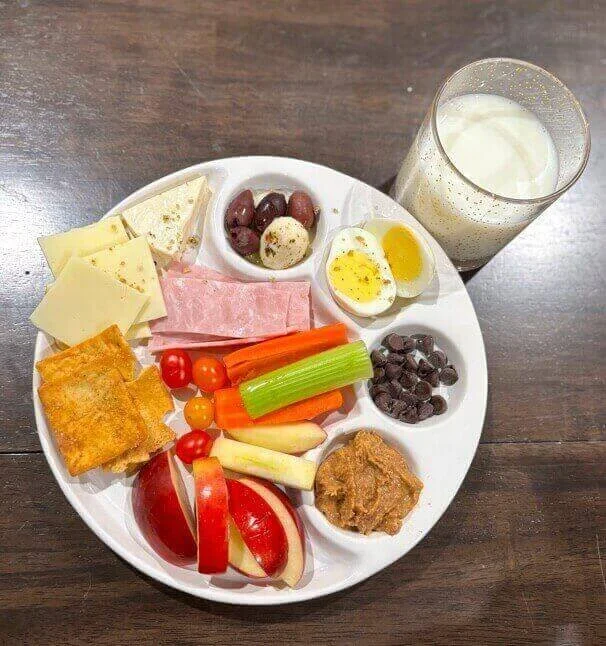
Lactose-free milk, aged cheeses, yogurt with probiotics, kefir, and butter are often easier to digest while still providing real dairy taste and nutrition.
Simple habits like starting with small portions, pairing dairy with meals, and adding foods back slowly can help you learn your personal tolerance level.
Understanding Lactose Intolerance
There’s a big difference between lactose intolerance and a true milk protein allergy, and knowing which one you may be experiencing can help guide you to your dietary changes. Lactose intolerance often brings on symptoms like bloating, gas, cramping, or that general “not-so-great” feeling after eating dairy, whereas a milk allergy tends to show up in symptoms like hives, wheezing, itching, and anaphylaxis. With a milk protein allergy, it is advised to avoid consuming dairy foods and only reintroduce them under the guidance of your healthcare provider.
But in the case of lactose intolerance, you don’t have to cut out all dairy foods from your diet out of fear; it can be more helpful to figure out which types your body actually handles well. While everyone tolerates lactose differently, many do well with foods that are naturally low in lactose, like aged or “ripened” cheeses. Cheeses like Parmesan, Swiss, Cheddar, and Havarti naturally have lower amounts of lactose due to the aging process. To better understand the amount of lactose in certain dairy foods, check out this great resource, Perfect Pairings and Lactose Intolerance.
Low-Lactose and Lactose-Free Dairy Products That Are More Tolerable
You don’t have to say goodbye to dairy; some types are naturally easier on your stomach. Here are a few low-lactose and lactose-free dairy products that many people with lactose intolerance find easier to enjoy:
Lactose-free milk - Real dairy milk, just without the lactose. Lactose-free milk has the same nutrition, with 13 essential nutrients and natural, high-quality protein.
Aged cheeses - Cheese labeled “aged” loses most of its lactose as it matures, making it easier on the stomach.
Yogurt with probiotics - Live and active cultures in yogurt help to digest the lactose found in yogurt, making it easier for you to enjoy. You can make sure your yogurt has probiotics by checking the packaging. Each strain of probiotics found in yogurt will be listed.
Kefir - Because kefir is heavily fermented and probiotics are present, most of the lactose is already broken down, making it easier on your stomach.
Butter - Naturally has trace amounts of lactose, so most people with lactose intolerance can enjoy it without discomfort.
Tips for Eating Real Dairy Foods Without Discomfort
Eating dairy doesn’t have to be all-or-nothing… A few small shifts can make it a lot easier on your stomach with lactose-free dairy foods.
Start with portions that feel comfortable for you, since sometimes it’s the amount that makes the biggest difference. Try different dairy foods paired with other foods -such as milk with cereal or cheese on a sandwich. If you’re adding dairy back into your diet, go slowly and pay attention to what feels good so you can learn your own limits. Real dairy milk labeled “lactose-free” provides the same essential nutrients, such as calcium, potassium, and high-quality protein, found in regular milk.
So, don’t give up those creamy, comforting dairy foods! With a few simple swaps and learning what your body tolerates, dairy can absolutely stay on the table. Choosing naturally low-lactose options, easing in slowly, and paying attention to how you feel can make all the difference. If you’re unsure of where to start, a dietitian can help you sort through what works for you without unnecessary restriction.
FAQs for Low-Lactose and Lactose-Free Dairy Foods
Q: What dairy products are often easier to tolerate with lactose intolerance?
A: Many people find lactose-free milk, aged cheeses, yogurt with probiotics, kefir, and butter easier on their stomach because they are low in lactose or have it mostly broken down.
Q: How can I enjoy dairy without discomfort if I am lactose intolerant?
A: Start with small portions of low-lactose dairy, eat them with other foods, and increase slowly. This helps you see what types and amounts of dairy feel best for your body.
Q: Why choose lactose-free milk instead of skipping milk entirely?
A: Lactose-free milk is real dairy milk with the lactose removed or broken down, so you still get its protein and essential nutrients while reducing the chances of digestive symptoms.
Looking for low-lactose inspiration? Check out our low-lactose recipes, Loaded Potato Soup, Creamy Chicken Pasta, Pesto Pasta Bake, and Creamy Broccoli Cheddar Soup.
Written by: Katharine Rosenthal, RDN

Katharine is a registered dietitian who specializes in making healthy eating easy and approachable. She creates simple, flavorful recipes that come together quickly. Her favorite dishes are the ones that require minimal prep but taste delicious! Check out her easy and healthy recipes at bewelltable.com.
Related Posts